A school garden begins before the first seed is sown. Its most important early ingredients are a clear learning purpose and people who can care for the space. Construction is only useful when a school knows how the garden will fit into ordinary weeks.
Agree on the purpose
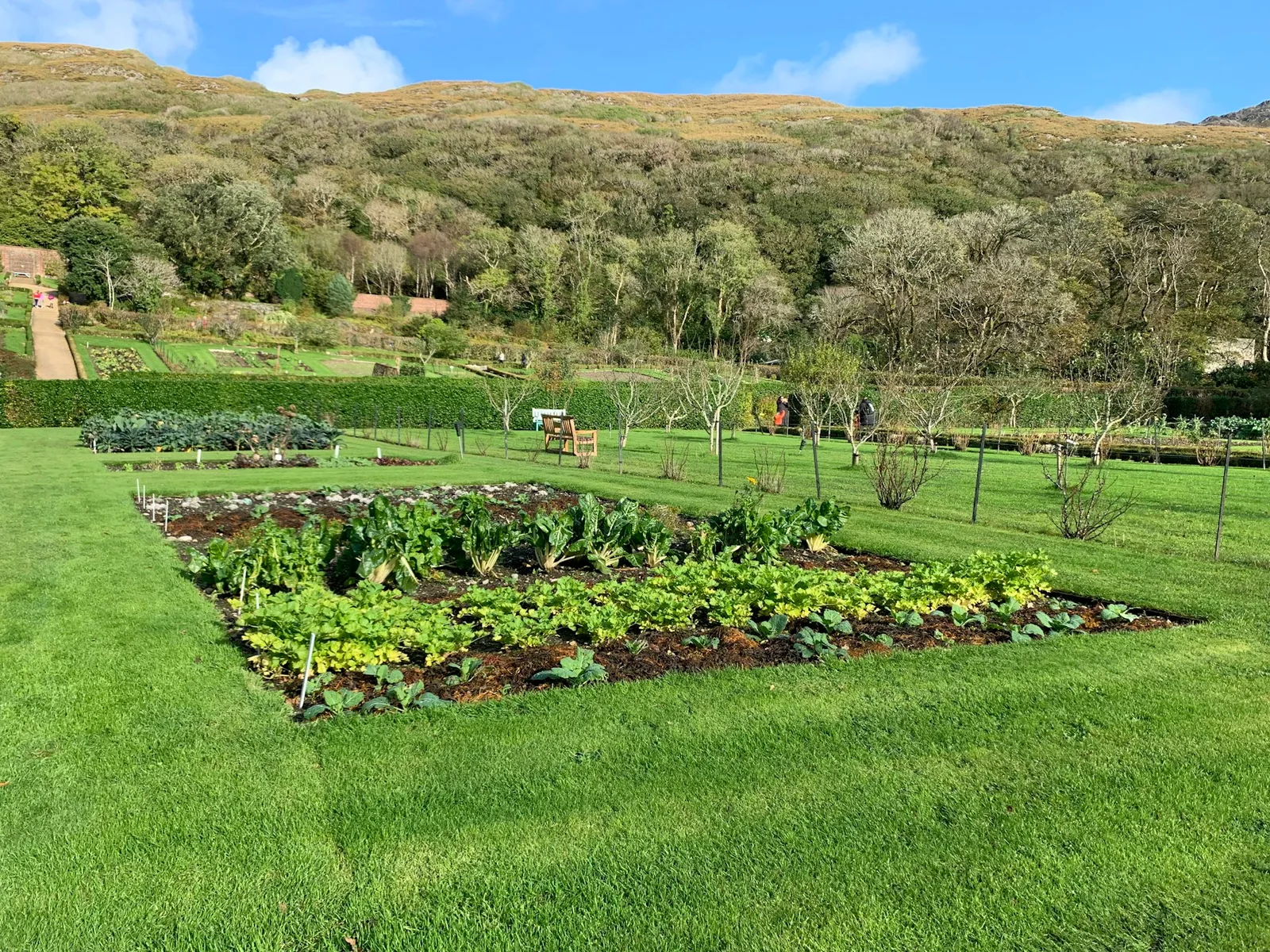
Invite educators, site staff, families, and learners into the planning conversation. Ask what students should be able to notice, explain, or practice. A small bed used regularly for observation may serve that purpose better than a larger space visited only once.
Plan beyond the school day
Identify who can water, maintain paths, and check the site during breaks. Arrange access with the school rather than assuming volunteers can enter whenever they wish. Keep responsibilities visible and include a backup plan. KidsGardening's planning resources provide a useful starting point for this work.
Start with a learning cycle
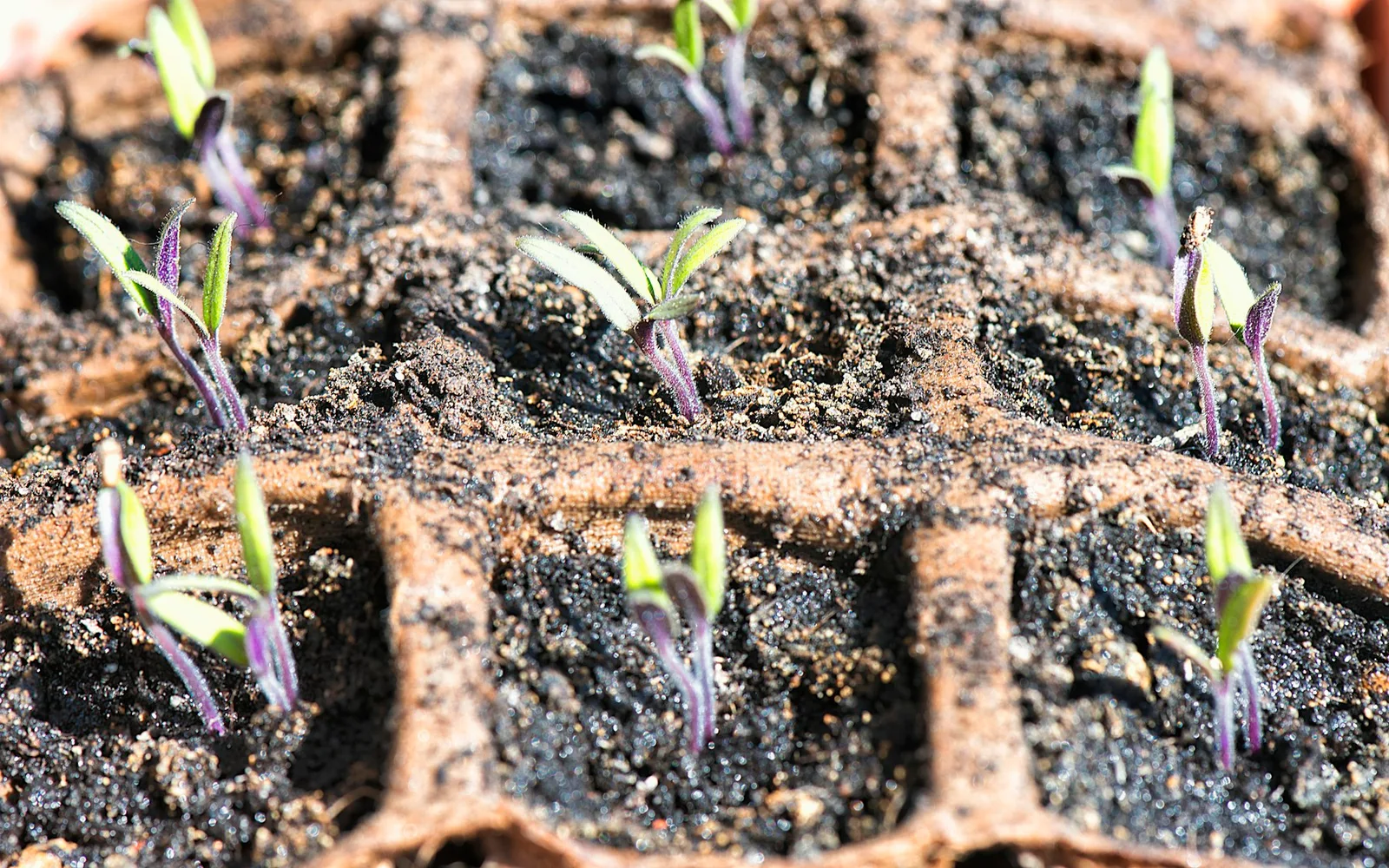
Choose one manageable activity sequence: prepare, plant, observe, and reflect. Give students meaningful decisions within safe limits, such as comparing proposed crops against the site's light or preparing labels. Keep a journal that connects garden visits with classroom questions.
Before expanding, review the first cycle with everyone involved. Did the activities support the learning purpose? Was the care plan realistic? Could all learners participate? The answers can guide the next season. A school garden grows stronger when its design follows the people and learning it is intended to support.
A place to begin
- Define one clear learning purpose.
- Assign care during school breaks.
- Review participation before expanding.
Further reading
Independent educational resources to deepen your understanding. References do not imply an affiliation or endorsement.