A seasonal food notebook can connect what you see growing with what you enjoy eating. It does not need to prescribe a perfect diet or claim that every local purchase has the same environmental impact. Its purpose is to build attention and practical knowledge.
Record what you encounter
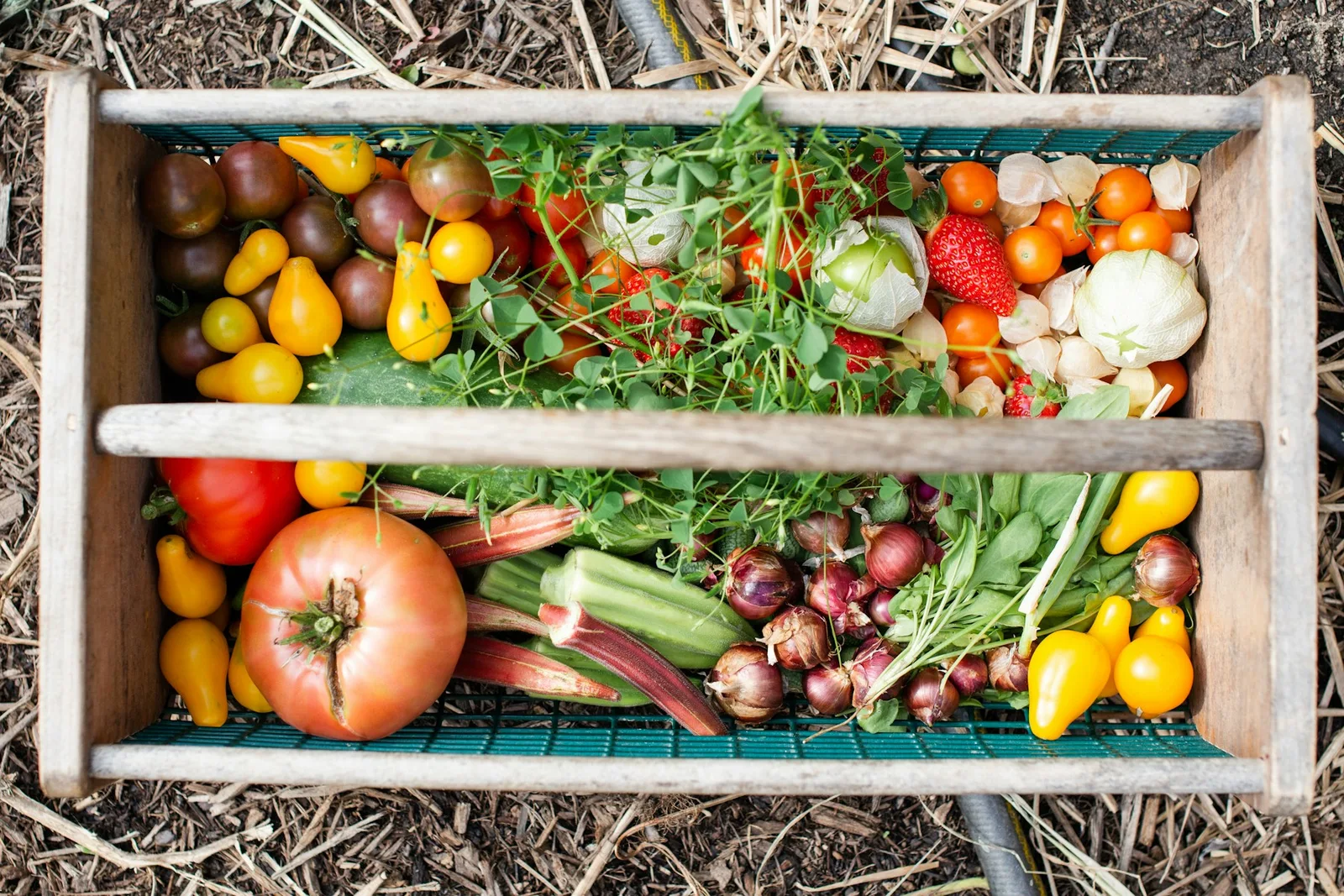
At a market, shop, or garden, note the foods available and questions you want to ask. Availability may reflect storage or transport rather than local harvest, so do not infer an origin without checking. Include price and preparation time if those affect your choices.
Add what actually worked
Write down a meal you enjoyed, the quantity used, and how leftover ingredients were handled. Keep recipes that fit your household's schedule. A useful notebook values ordinary successes: an ingredient used fully or a familiar dish adapted to what was available.
Connect the page to growing
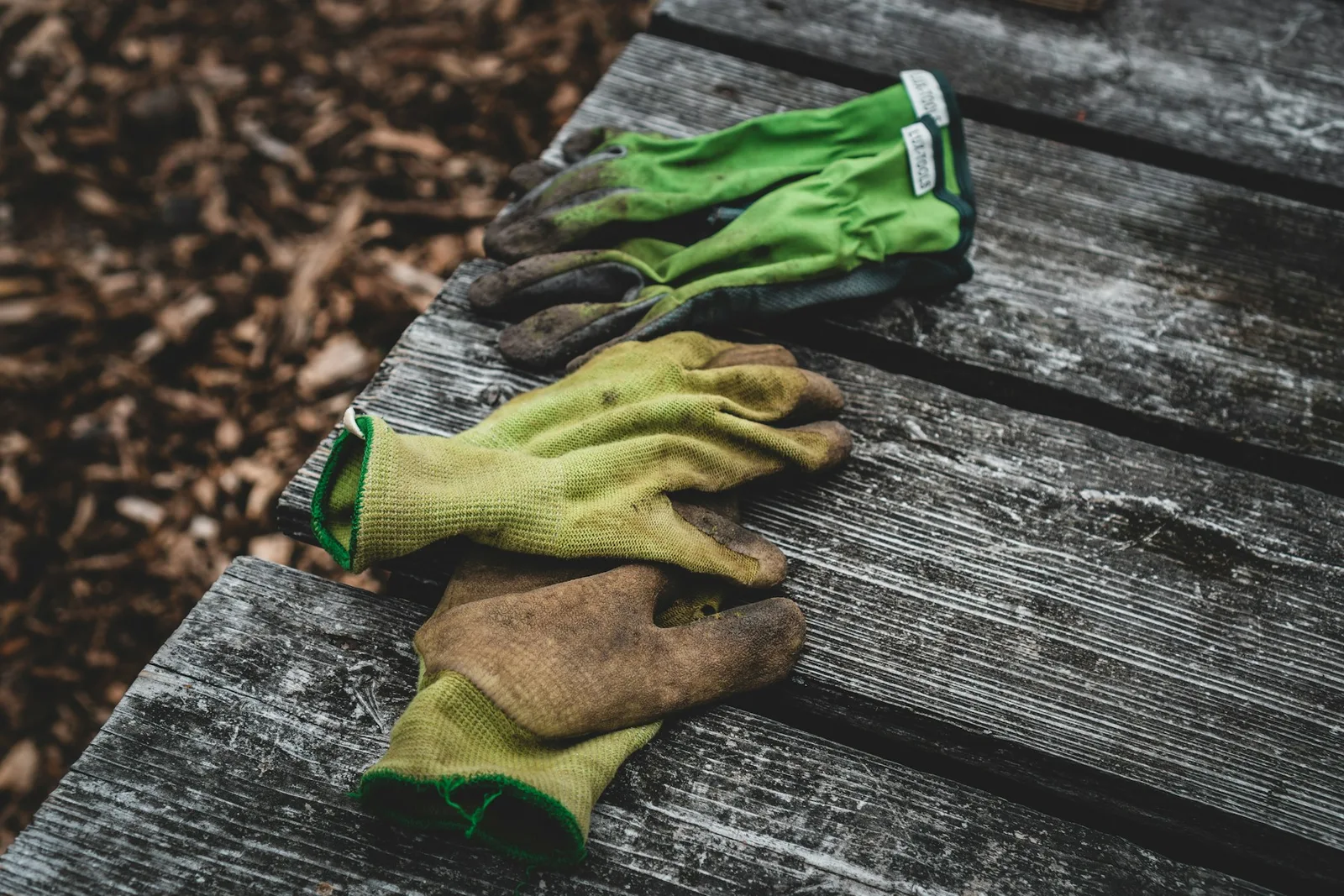
If you garden, compare harvest notes with the meals you made. Did a crop arrive when you could use it? Would fewer plants or a different planting window suit next season? Bring those questions into the garden plan rather than treating growing and cooking as separate projects.
The notebook can become a conversation with family or neighbors, including food traditions they choose to share. Keep the record flexible and personal. Its value lies in learning how food reaches your table and how to make thoughtful use of what is there.
A place to begin
- Check food origins rather than assuming them.
- Record meals that fit your real schedule.
- Use harvest notes to improve the next planting plan.
Further reading
Independent educational resources to deepen your understanding. References do not imply an affiliation or endorsement.