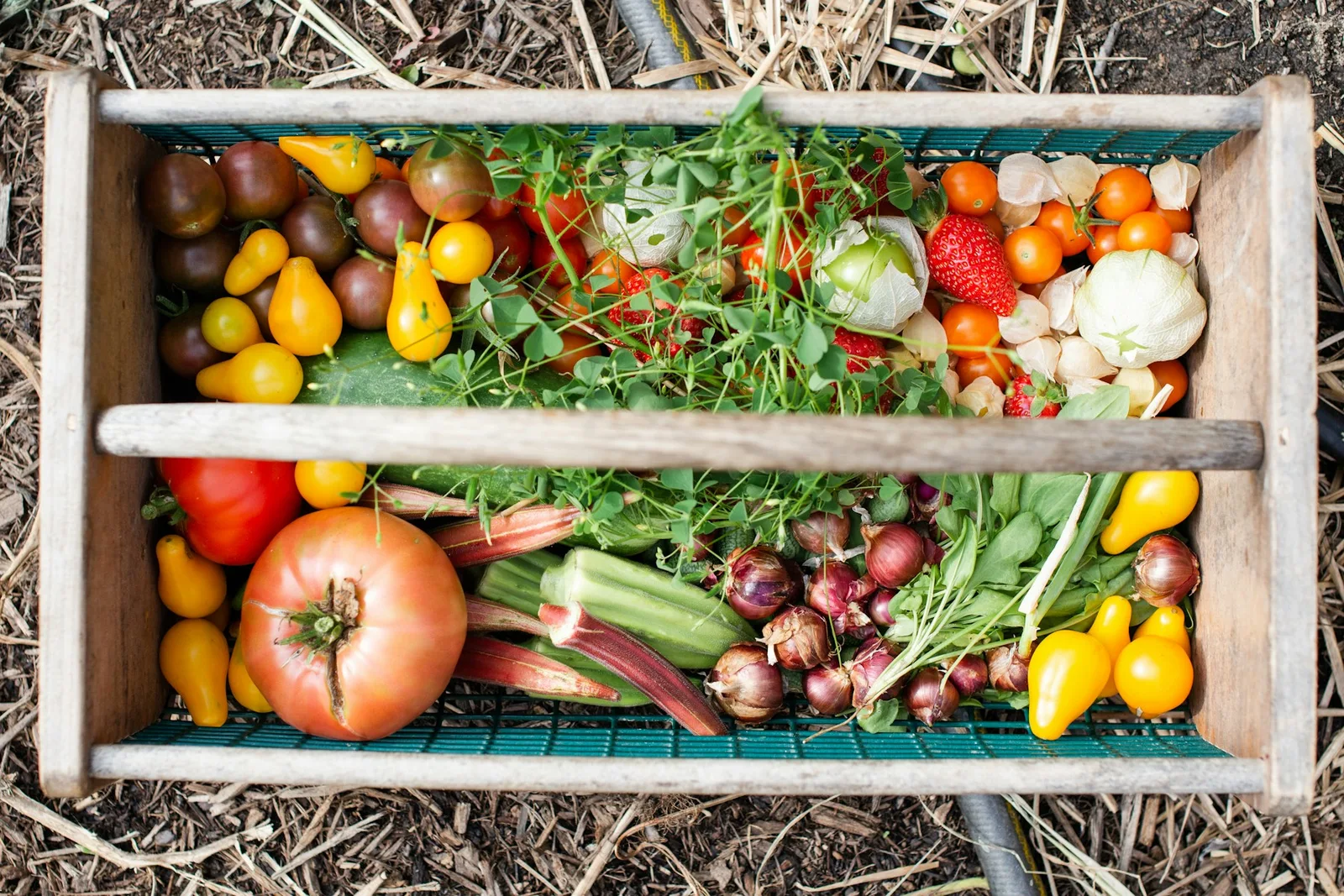
A lower-waste kitchen begins with a simple pause before shopping. What is already in the fridge, what needs using, and which meals will you actually eat at home? These questions can turn a vague intention into a useful routine.
Make food easy to notice
Create a visible 'use first' area for suitable ingredients. Check it when planning meals and keep a short list of what is available. Avoid treating every purchase as a new plan while yesterday's ingredients disappear behind it.
Plan room for change
Leave one flexible meal in the week for ingredients that need attention. The EPA recommends planning, appropriate storage, and using edible food before it becomes waste. Do not rescue food that has become unsafe; prevention begins earlier, while ingredients are still suitable to eat.
Separate prevention from disposal
Composting has a role for appropriate scraps, but it does not replace eating food that could have been used. Notice whether discarded items were preparation scraps, oversized portions, forgotten purchases, or something else. Each reason suggests a different response.
Review the routine after a week rather than demanding perfection from the first day. Maybe a shorter shopping list helps, or clearer storage makes the difference. The useful change is one that fits the household and survives a busy evening. A kitchen can become more resourceful through a few decisions repeated consistently.
A place to begin
- Check existing ingredients before shopping.
- Keep suitable use-first food visible.
- Distinguish preventable waste from unavoidable scraps.
Further reading
Independent educational resources to deepen your understanding. References do not imply an affiliation or endorsement.