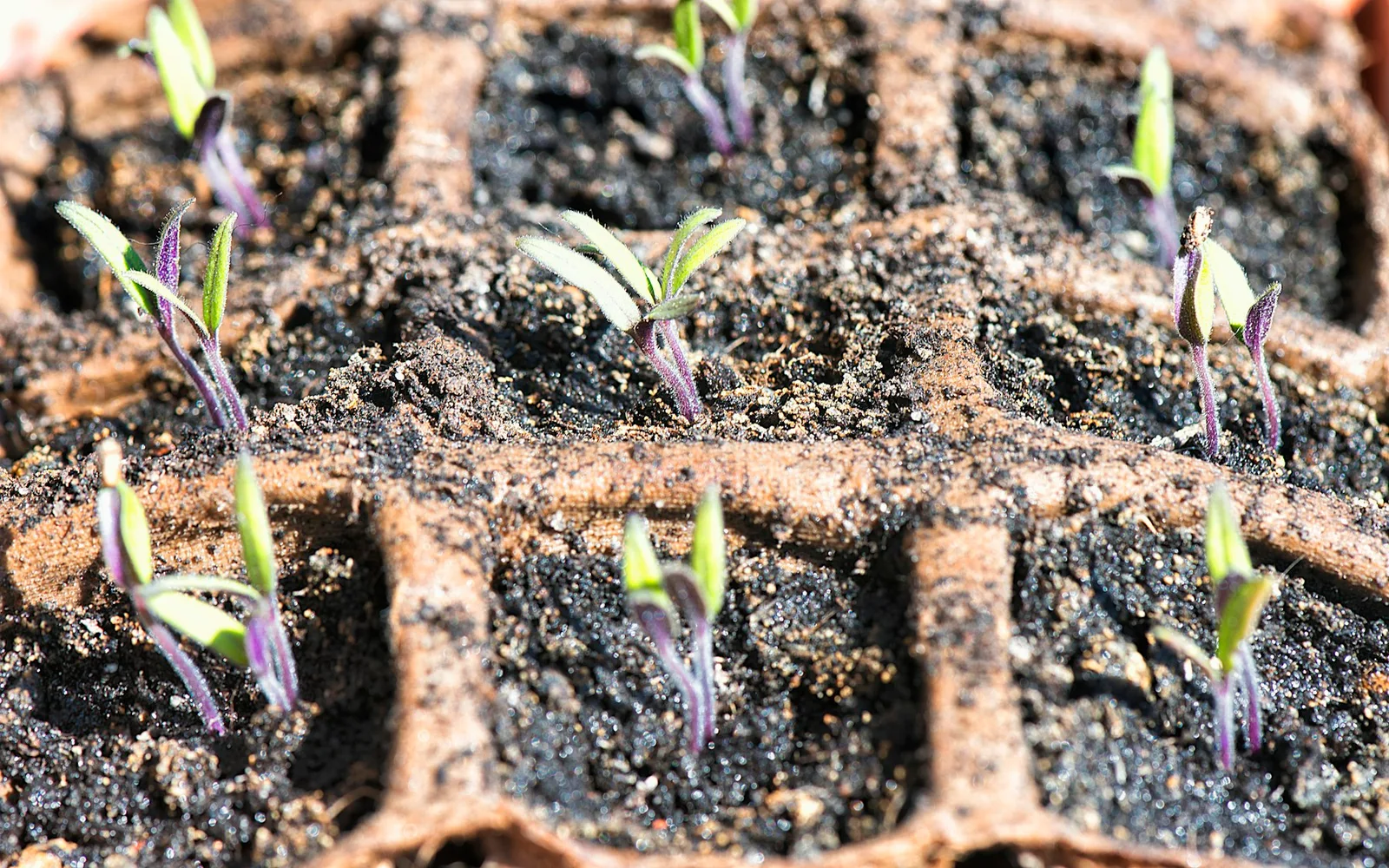
Starting seeds offers a close view of a plant's earliest changes. It also creates a practical planning task: choosing a crop, timing the sowing, preparing suitable containers, and providing care after emergence. A readable label is as important as enthusiasm.
Read before sowing
Use the seed packet and local growing guidance to determine timing and depth. Some crops are best sown where they will grow; others may suit an indoor start. Prepare a clean container with drainage and an appropriate seed-starting medium. Ordinary garden soil is not a substitute for every container mix.
Label the experiment
Record the crop, variety, and sowing date. If you try more than one approach, change one variable and identify each tray clearly. Keep notes about the light and moisture conditions so that a later comparison is based on something more than memory.
Plan the next stage now
Before seedlings appear, decide where they will go and who will monitor them. Crowded, poorly lit seedlings are harder to manage. Use crop-specific guidance for thinning, transplanting, and gradually adapting indoor-grown plants to outdoor conditions.
Not every seed will emerge, and germination time varies. Resist restarting an experiment every day. Watch, record, and respond when the guide indicates a useful action. At the end, keep the labels and notes with your garden plan. A tray of seedlings becomes a lesson you can use again next season.
A place to begin
- Follow crop-specific sowing instructions.
- Label variety and date clearly.
- Prepare the destination before transplanting.
Further reading
Independent educational resources to deepen your understanding. References do not imply an affiliation or endorsement.