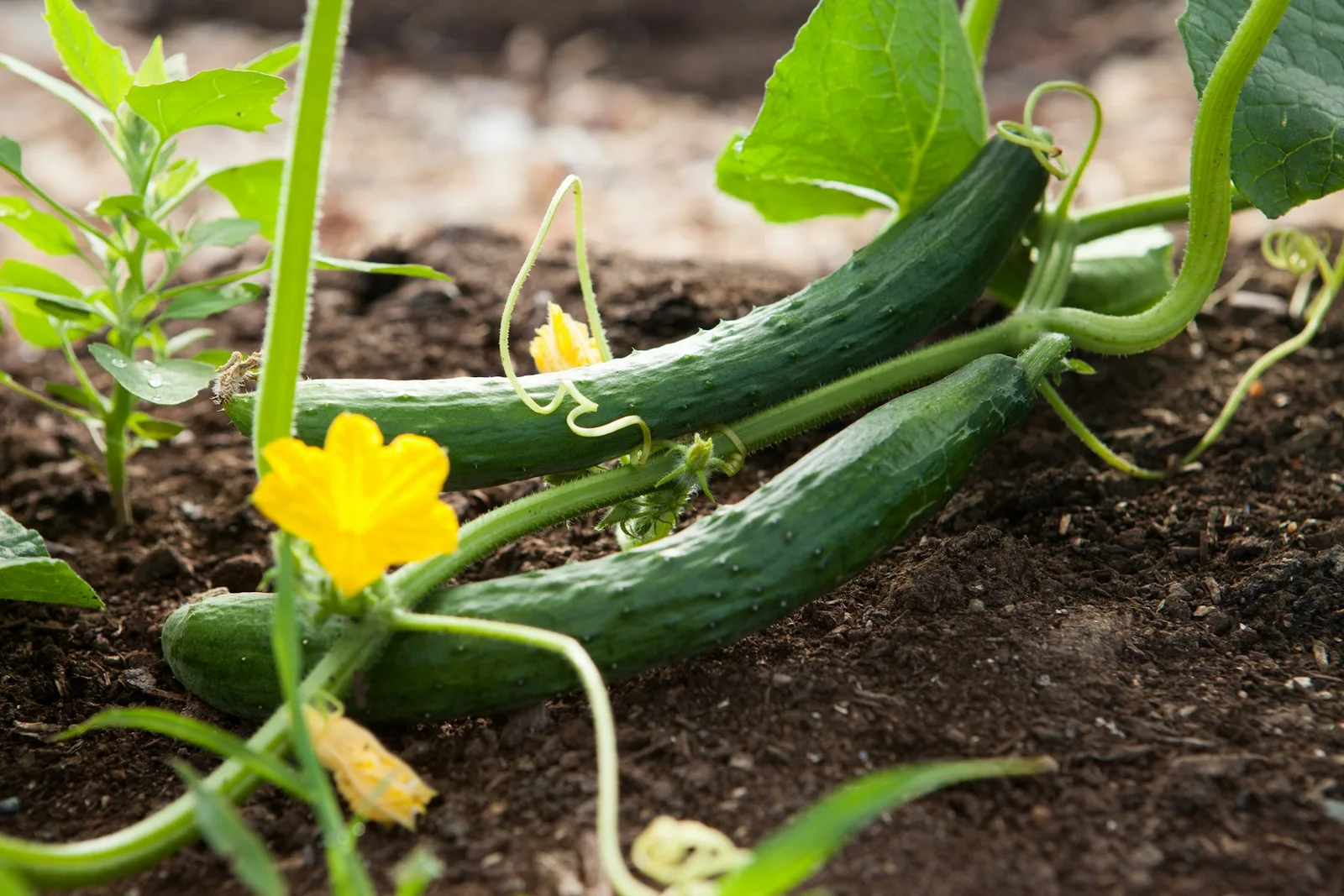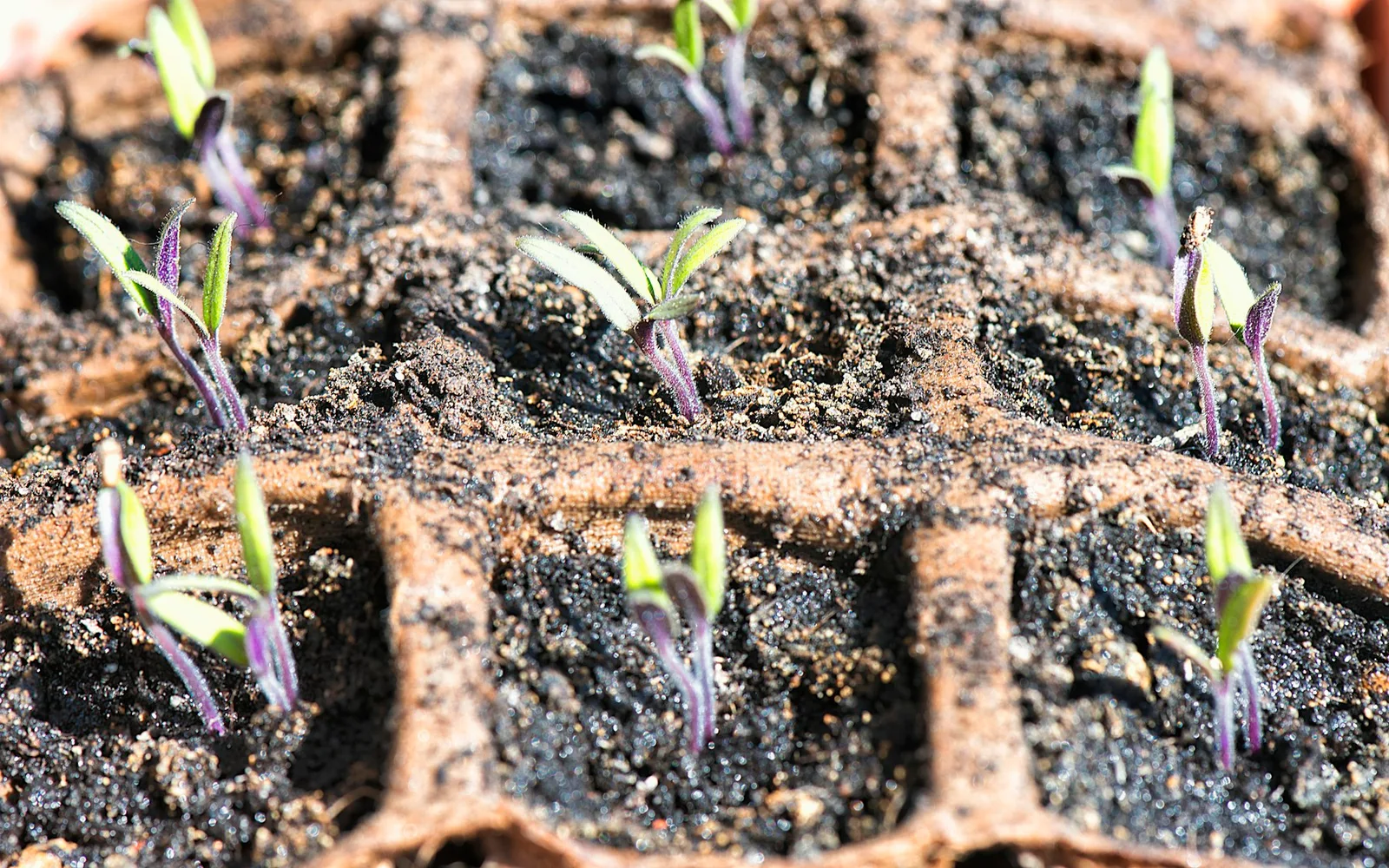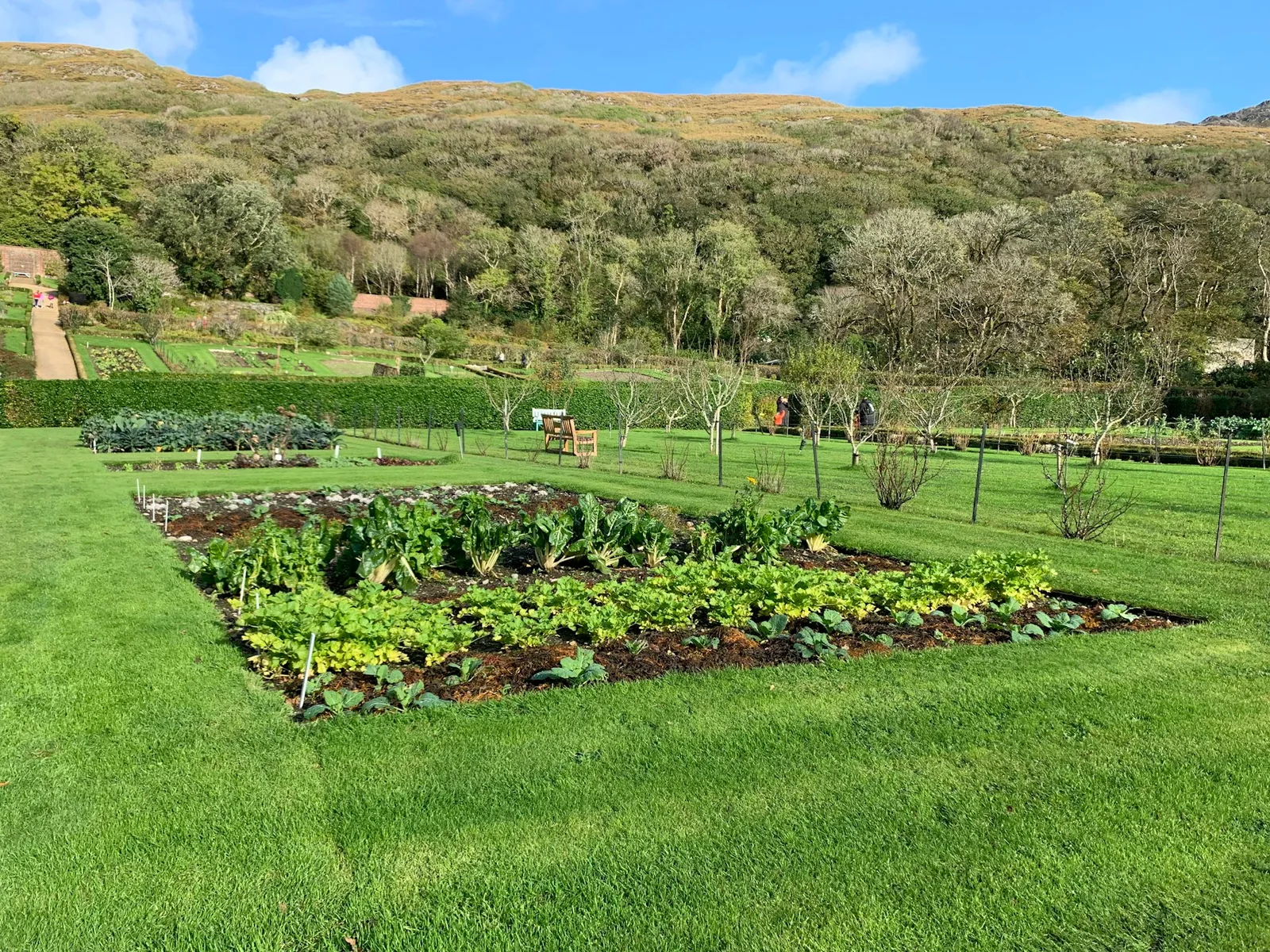
A first vegetable garden does not need to fill every available corner. It needs a place where plants can grow and a routine that somebody can sustain. Start by deciding what you would enjoy eating and how much attention you can realistically give it.
Read the site before the catalog
Observe the light at different times of day. Locate water, note drainage, and consider the site's history. A local garden guide can help match crops to these conditions. If soil safety is uncertain, seek advice before planting food; adding compost does not resolve every possible contaminant.
Plan a small, useful harvest
Choose a few crops you already use. Write down who will water, where tools will be stored, and what will happen during travel or busy weeks. A simple sketch should include access paths and the mature space plants need, not just neat rows of tiny seedlings.
Make learning part of the work
Keep the seed packets and record planting dates. At the end of each week, note one observation and one question. If a crop fails, document the conditions rather than treating the season as wasted. The next plan can then respond to evidence.
Avoid buying everything at once. Arrange the essentials first and add equipment when a real need appears. At the end of the season, review what you ate, what you enjoyed tending, and what demanded too much work. Let those answers shape a garden that belongs in your everyday life.
A place to begin
- Observe sunlight and water access.
- Grow a few foods you actually use.
- Plan who will maintain the garden.
Further reading
Independent educational resources to deepen your understanding. References do not imply an affiliation or endorsement.