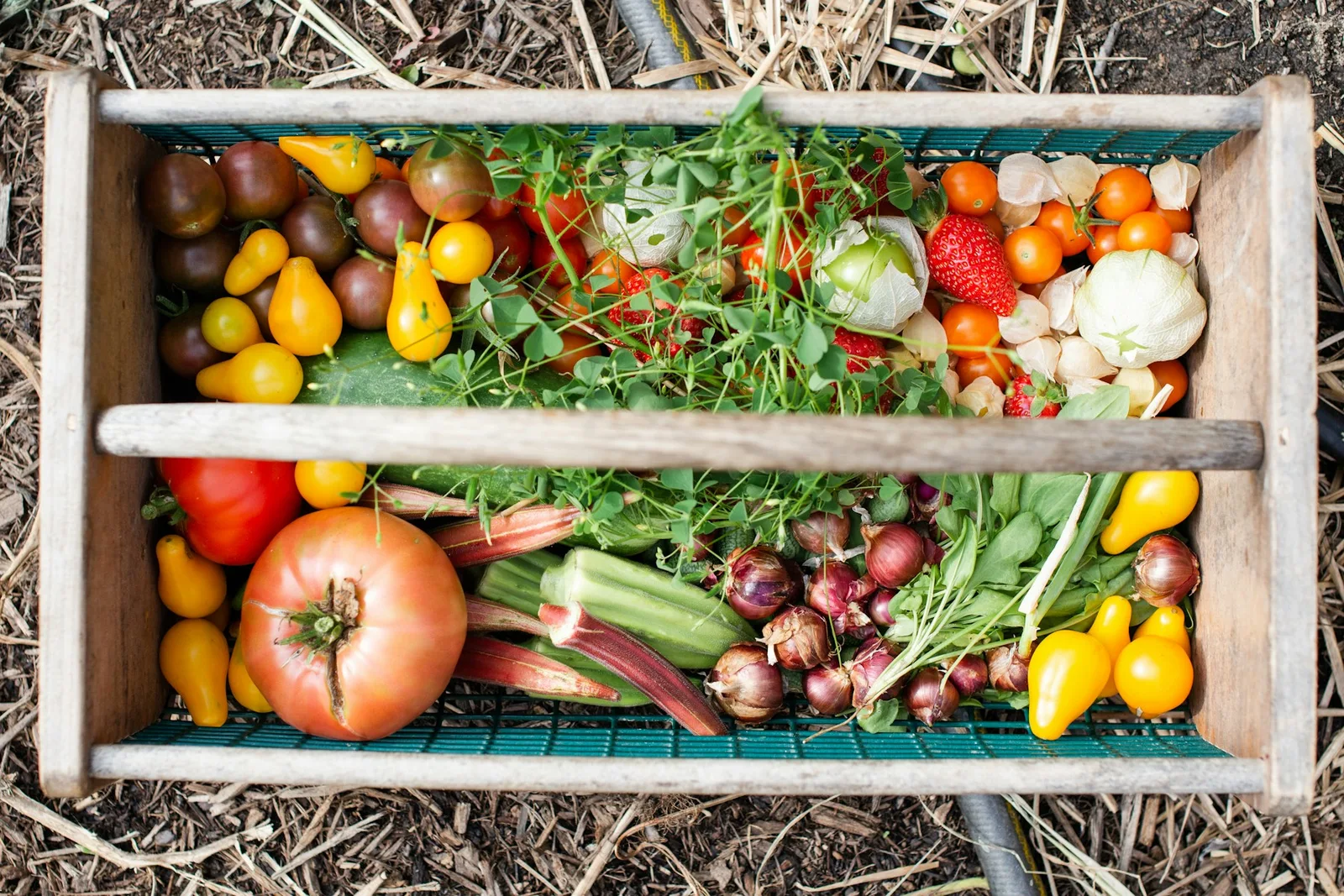
Sustainable shopping advice can become an exhausting list of ideals. A more useful starting point is a plan that fits the household. Food that is affordable, enjoyed, and used has a better chance of staying out of the waste bin than an ambitious purchase nobody wants to prepare.
Count the meals you need
Look at the week's schedule before writing the list. Include meals away from home and the time available for cooking. Check existing ingredients and choose quantities that match the plan. A large package is not a saving if a portion is never used.
Leave a little flexibility
Write a list by meal or ingredient purpose, allowing a suitable substitution if something is unavailable. Keep food preferences and storage space in mind. Planning should make shopping easier, not require a second trip for an unnecessarily exact recipe.
Review the result kindly
At the end of the week, note one ingredient that was used well and one that was left behind. Ask why: too much quantity, a changed schedule, an unfamiliar preparation, or something else? The answer can improve the next list more effectively than a broad promise to waste less.
The EPA's household food-waste guidance offers a useful reference for meal planning and storage. Start with a single improvement, such as checking the pantry before leaving. A realistic shopping routine can support resource care while still respecting the constraints and pleasures of ordinary life.
A place to begin
- Plan around actual meals at home.
- Buy quantities you can store and use.
- Let leftovers inform the next shopping list.
Further reading
Independent educational resources to deepen your understanding. References do not imply an affiliation or endorsement.