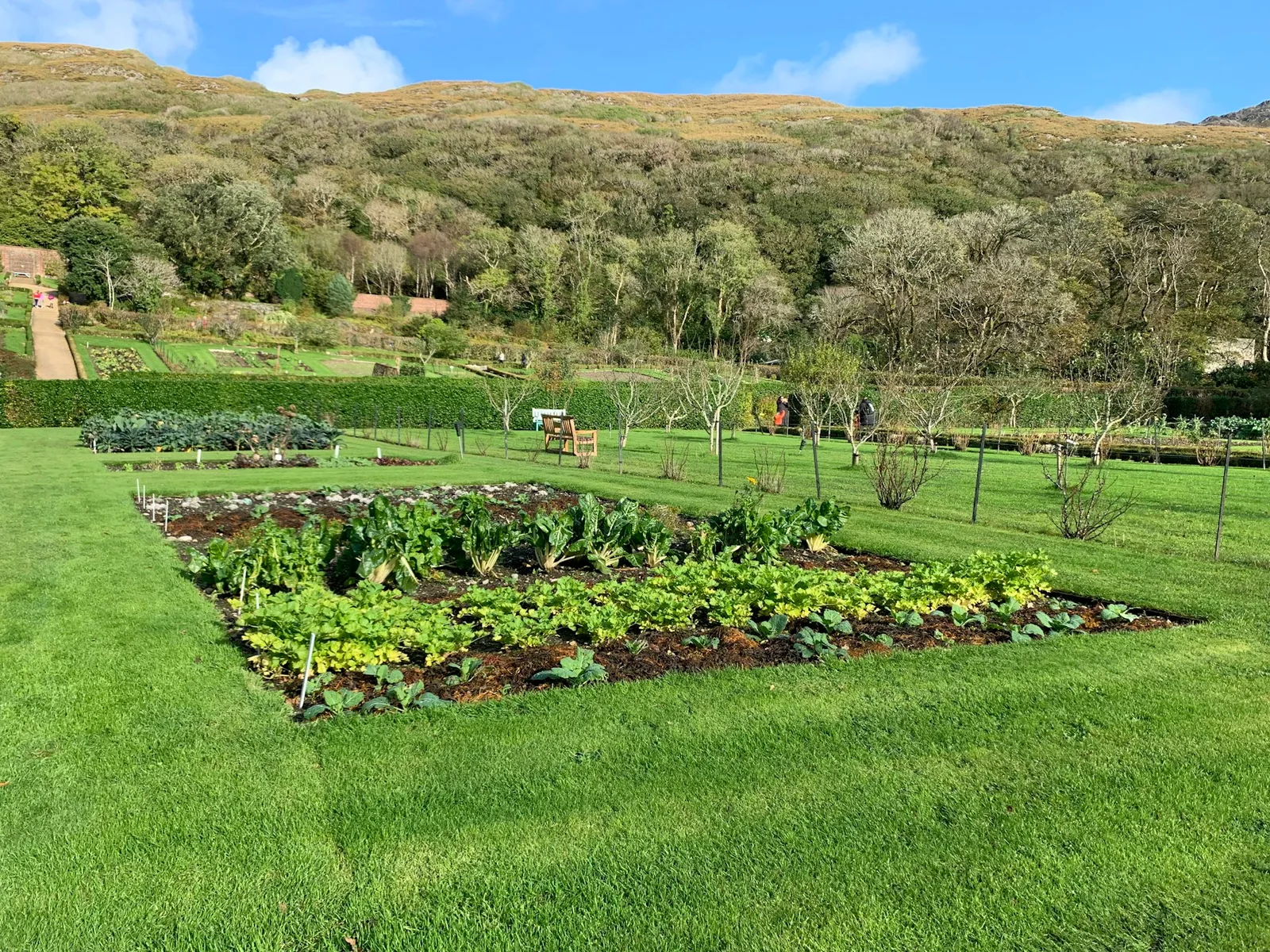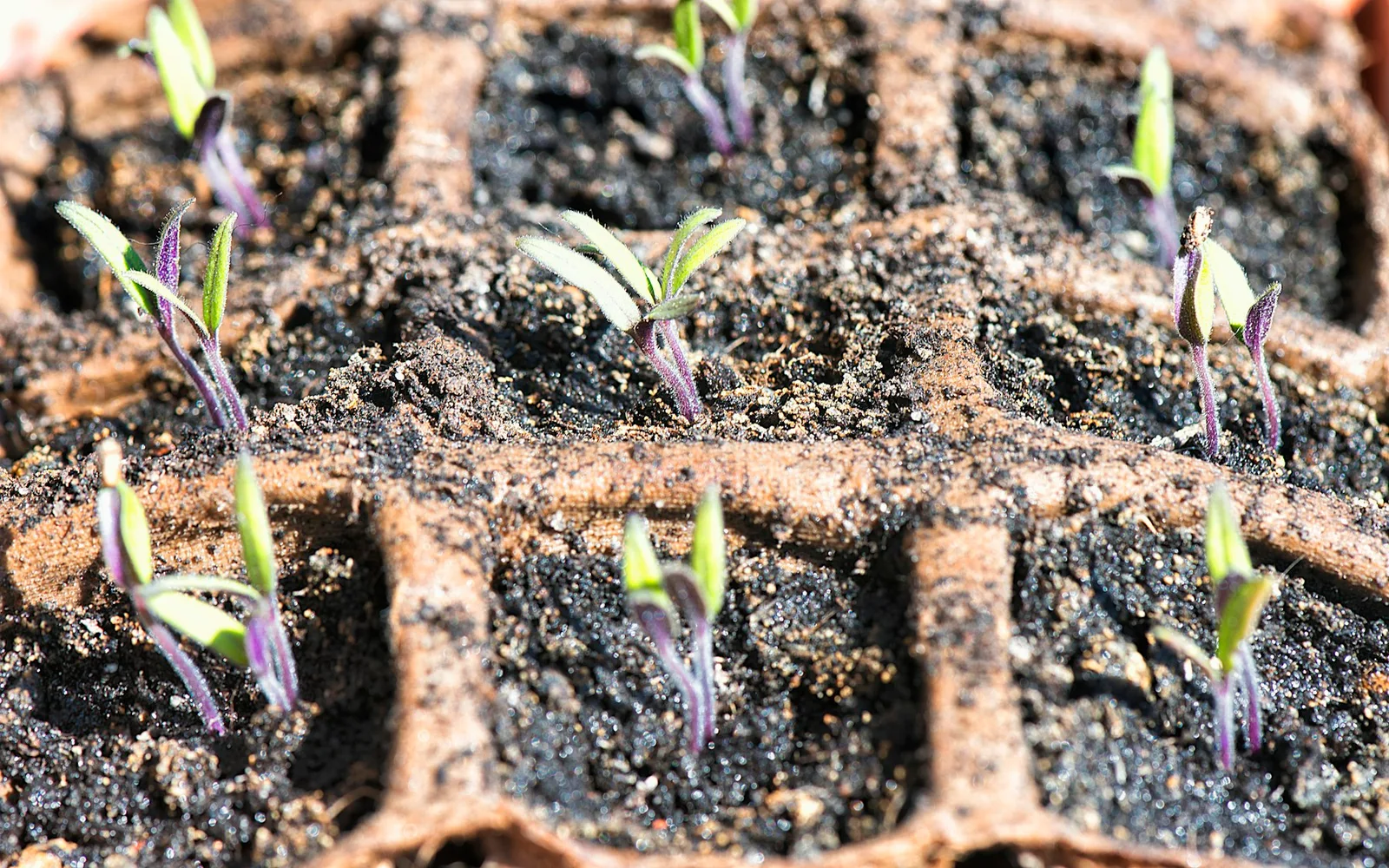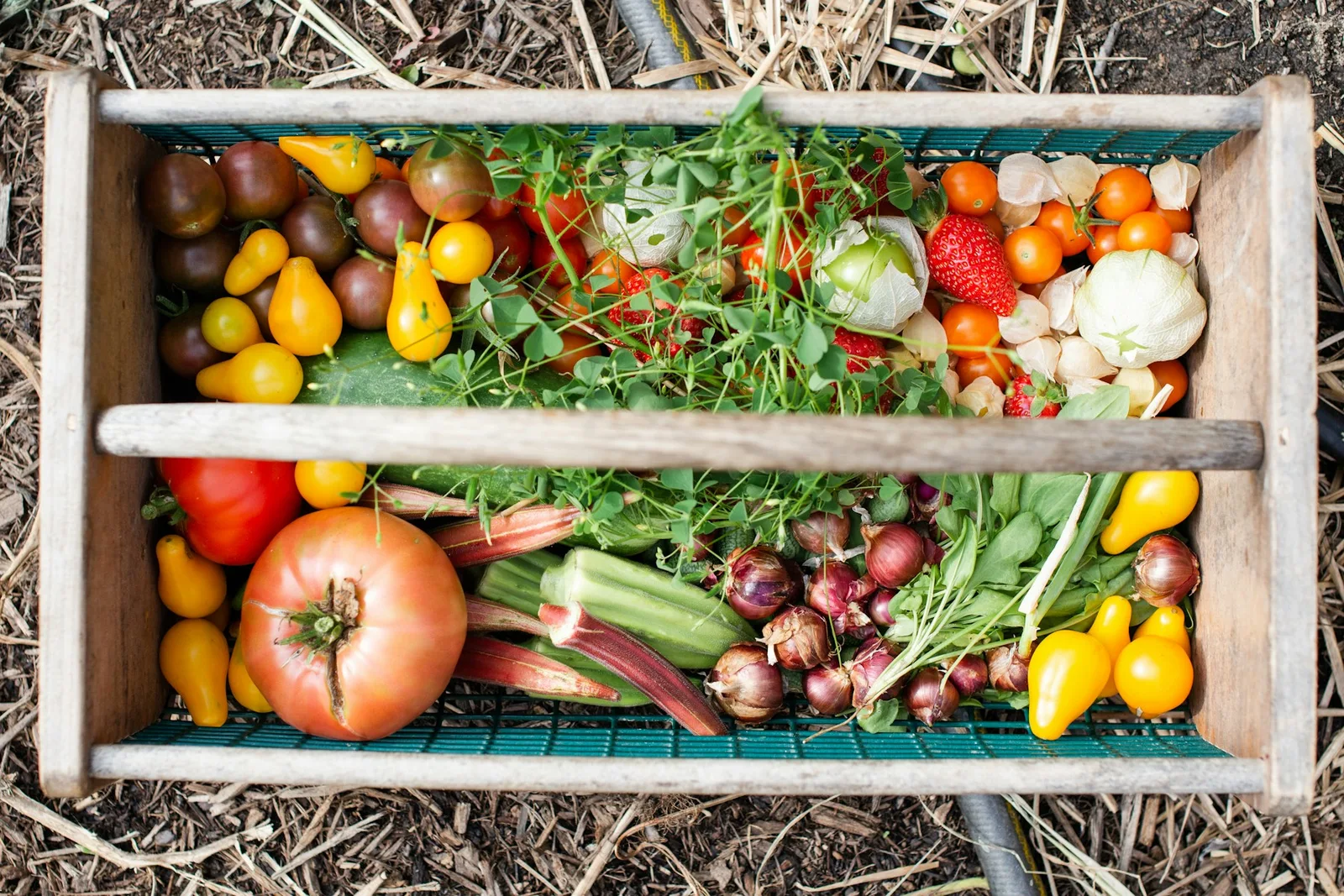
A harvest creates choices: what is ready, who will pick it, how will it be used, and what should remain? In a learning garden, those decisions can become part of the lesson. The activity is richer when students understand the purpose before collecting food.
Agree on a destination
Choose a realistic use for the harvest with the school and learners. It might become a supervised tasting, a classroom observation, or a prearranged share. Confirm the recipient and follow the site's food-handling rules. Do not assume a cafeteria or community organization can accept produce without discussion.
Give learners clear roles
One person can help identify harvest-ready crops using reliable guidance, another can record the amount, and another can prepare labels. Explain tool use and supervision before starting. Offer observation and recordkeeping roles for students who prefer them.
Reflect on the whole journey
After the activity, look back at planting notes and garden journals. What care led to this moment? What surprised the group? The Edible Schoolyard's approach connects growing, cooking, and shared learning; a small harvest can make those relationships tangible.
Avoid measuring the lesson only by the amount of food collected. Participation, careful observation, and shared decision-making are also worth discussing. Ask what the group would change next time, and keep that note with the garden plan. A harvest can be both a useful ingredient and a reason to think together.
A place to begin
- Confirm the harvest destination in advance.
- Use clear, supervised roles.
- Reflect on decisions as well as quantities.
Further reading
Independent educational resources to deepen your understanding. References do not imply an affiliation or endorsement.