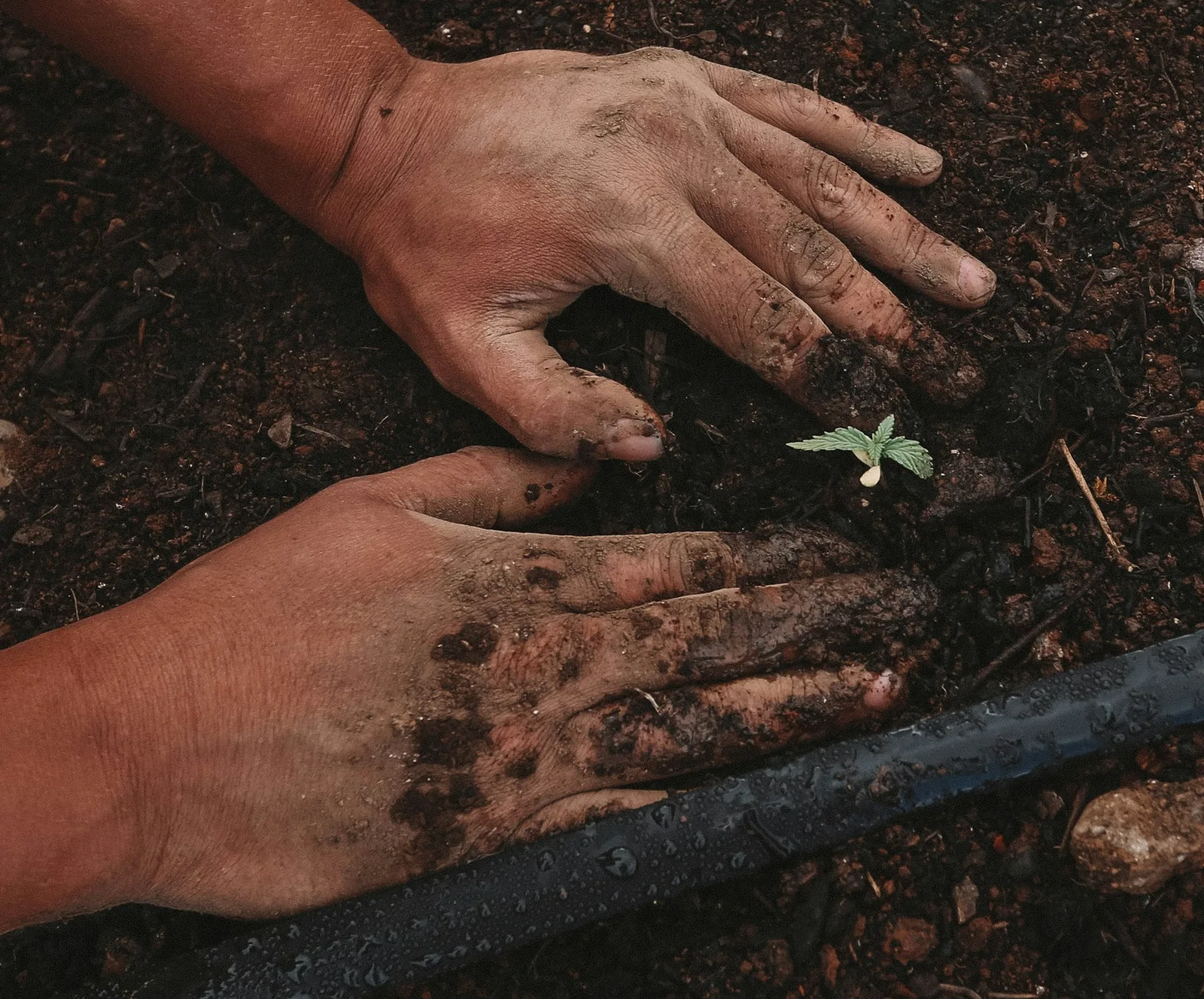
A seed swap can bring gardeners together around stories and possibilities. To make the exchange useful, people need to know what they are receiving. The event should encourage honest information rather than treating every packet as equally identified or reliable.
Set the expectations in advance
Explain what participants may bring and which materials cannot be accepted. Follow local plant and seed rules, including restrictions relevant to movement across borders. Do not assume that a community event removes those requirements. Encourage small, clearly labeled batches.
Use a readable label
Include crop, variety if known, collection year, and source. Indicate whether the seed is commercially purchased or home-saved, and acknowledge uncertainty about identity or quality. Crop-specific seed-saving guidance can help participants understand why isolation and storage matter.
Make learning part of the exchange
Provide a place for questions and a few reliable resources. Beginners should be welcome even if they have no seeds to offer. Avoid guaranteeing germination or suggesting that every shared seed is suited to every local garden.
Invite participants to record what they grow and share observations later if they wish. A packet then becomes the beginning of an exchange of knowledge, not just an object changing hands. A good swap leaves people with information they can use and a respectful understanding of what remains uncertain.
A place to begin
- Explain accepted materials and local requirements.
- Label identity, source, and collection year.
- State uncertainty and avoid germination guarantees.
Further reading
Independent educational resources to deepen your understanding. References do not imply an affiliation or endorsement.