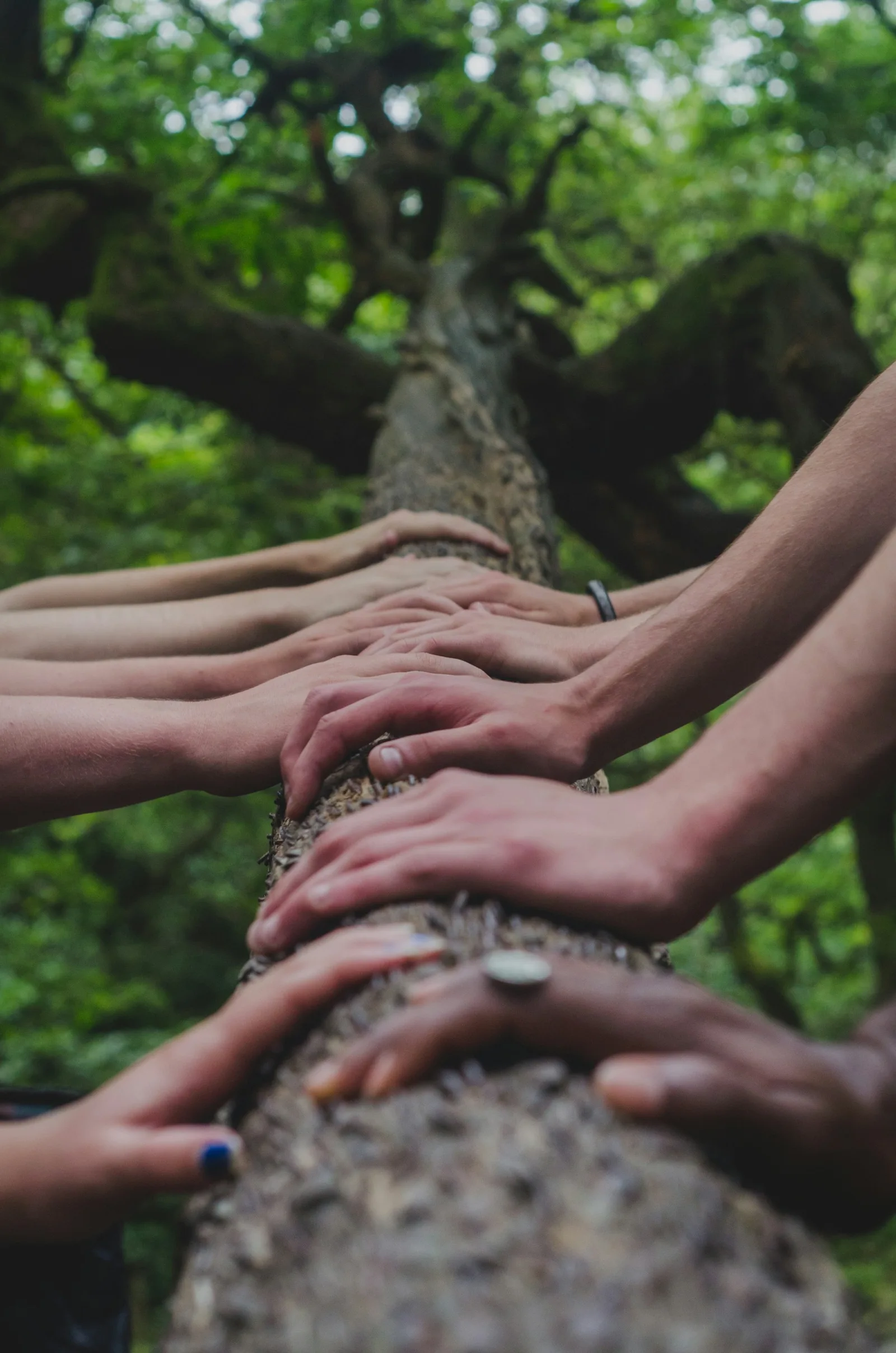
A community garden is a relationship as well as a piece of land. Before drawing beds, find out who is interested, who already uses the site, and what people hope the space might offer. A plan becomes more useful when it responds to a real conversation.
Listen for different purposes
Some participants may want food, others a place to learn, and others a quiet outdoor activity. Ask about time, access, costs, and preferred ways to take part. Record the different priorities rather than assuming enthusiasm means agreement on every decision.
Establish the practical foundation
Confirm landowner permission, site access, water, and the land's suitability for the intended use. Seek local advice about soil safety and applicable rules before growing food. Identify who can coordinate the next steps and what happens if that person leaves.
Choose a small first commitment
Agree on one manageable stage, such as a site assessment or a pilot bed. Write down responsibilities and a review date. Use a straightforward format that everyone involved can read and keep. A decision nobody remembers is unlikely to guide shared work.
At the review, ask whether the project is serving the purposes people described. Adjust the plan with those who use it. A shared garden does not need every answer on day one, but it does need a way to discuss uncertainty and make decisions together. That process is part of the ground it grows from.
A place to begin
- Listen to potential participants first.
- Confirm permission, access, water, and soil suitability.
- Agree on a modest stage and a review date.
Further reading
Independent educational resources to deepen your understanding. References do not imply an affiliation or endorsement.