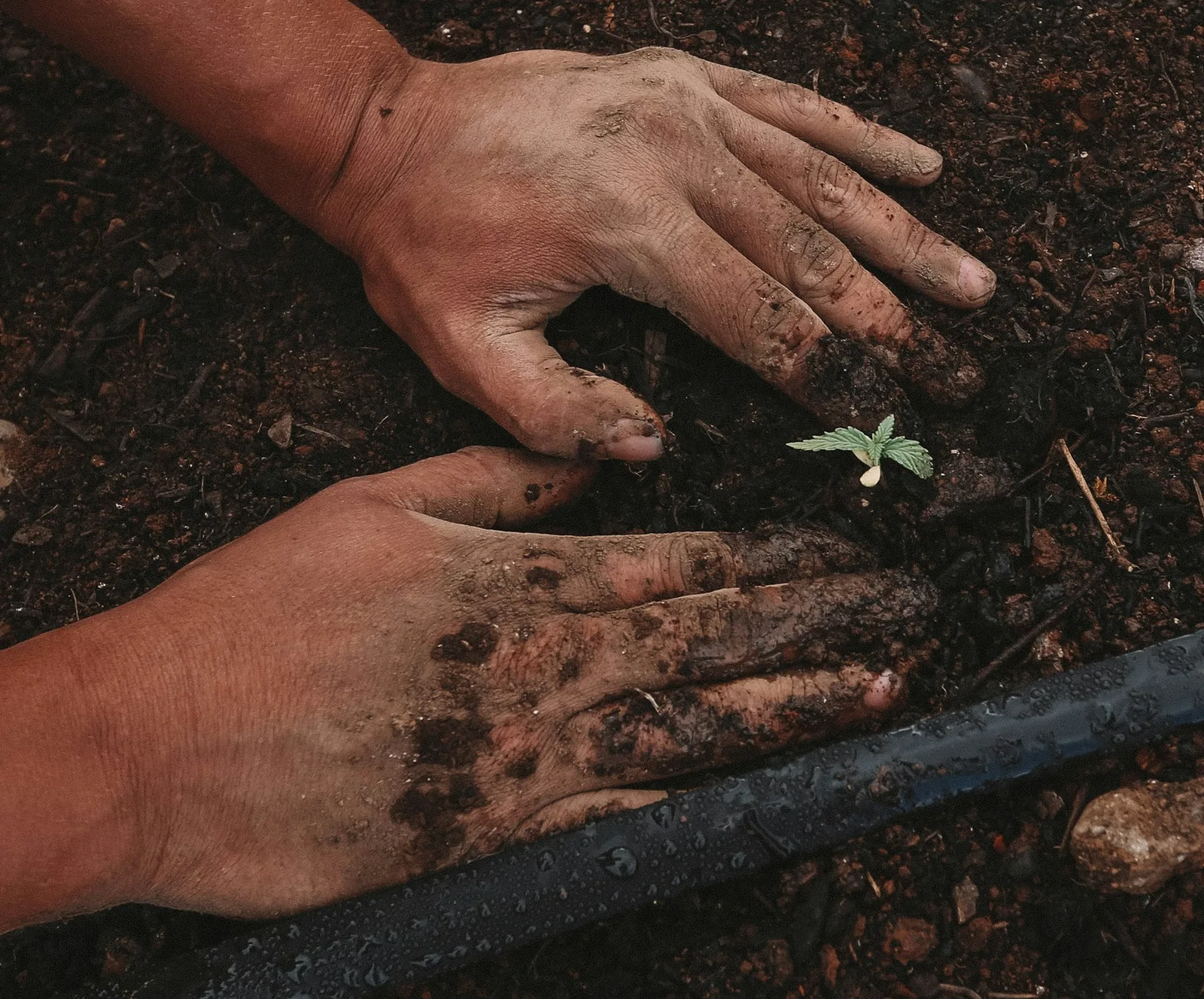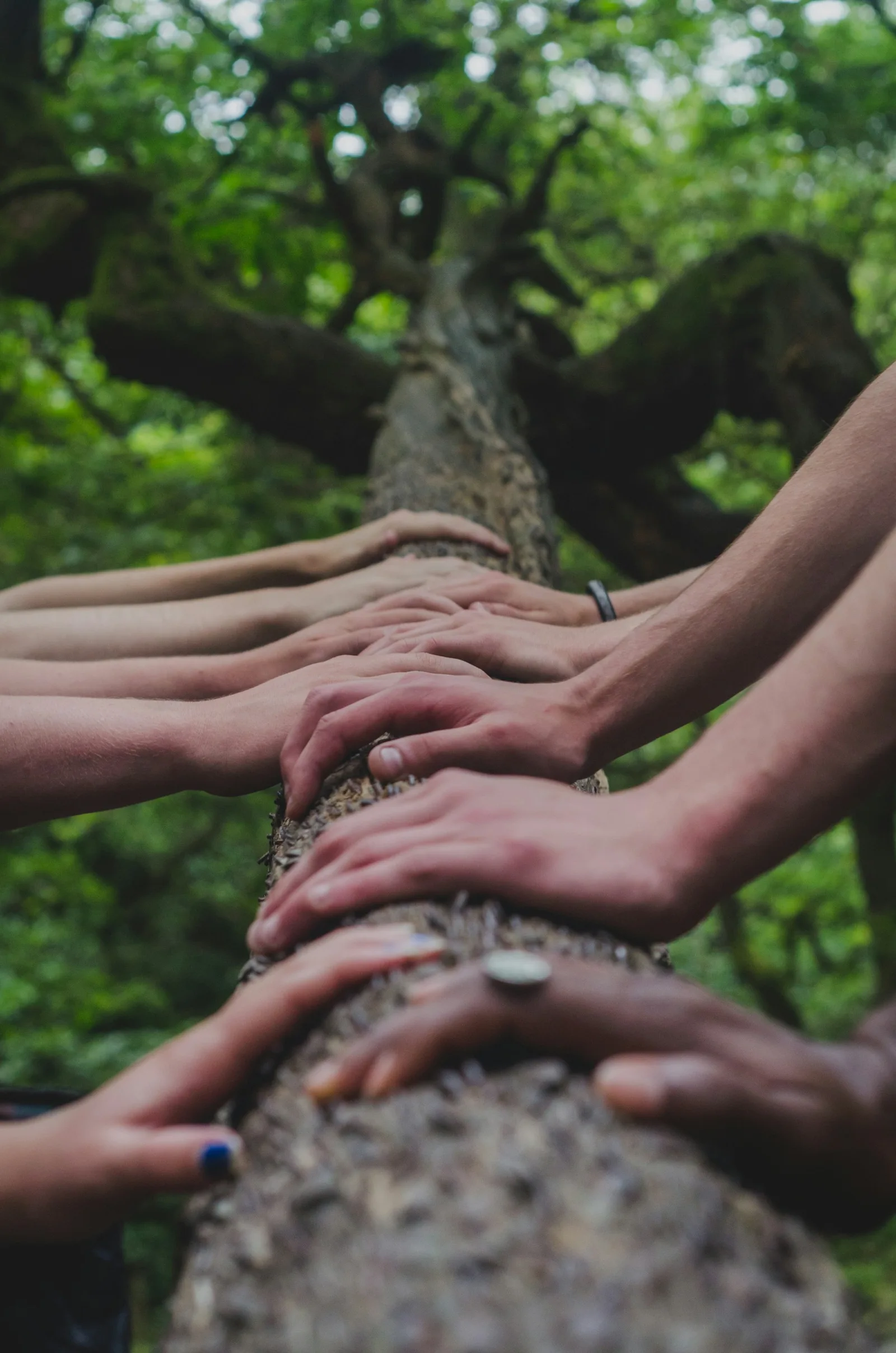
A photograph of a garden can invite interest, but it cannot explain the whole project. Responsible communication connects the image with a clear account of the activity, the people who agreed to be represented, and the limits of the evidence available.
Separate activity from outcome
Describe what took place using records you can check. Planting a bed is an activity; a harvest measured later is a different observation. Do not turn a promising moment into a guaranteed long-term result. Explain the period and method behind any figure you publish.
Ask how people want to be represented
Obtain appropriate permission for photographs and quotations, especially when children are involved. Let participants choose whether to be named. A stock image can illustrate a topic, but label or credit it appropriately and avoid presenting it as documentation of your own work.
Include the learning
An honest account can mention a challenge, a change in the plan, and the next question. This gives readers something useful beyond a celebration. Garden inquiry and citizen-science methods both offer reminders to distinguish observations from interpretations.
Before publishing, read the story from a visitor's perspective. Can they tell what is verified, what is proposed, and where to learn more? Remove claims that the evidence cannot support. Trust grows when communication is specific, respectful, and willing to show the work still in progress.
A place to begin
- Distinguish activities from measured outcomes.
- Use appropriate permissions and accurate image credits.
- Explain limitations alongside what was learned.
Further reading
Independent educational resources to deepen your understanding. References do not imply an affiliation or endorsement.