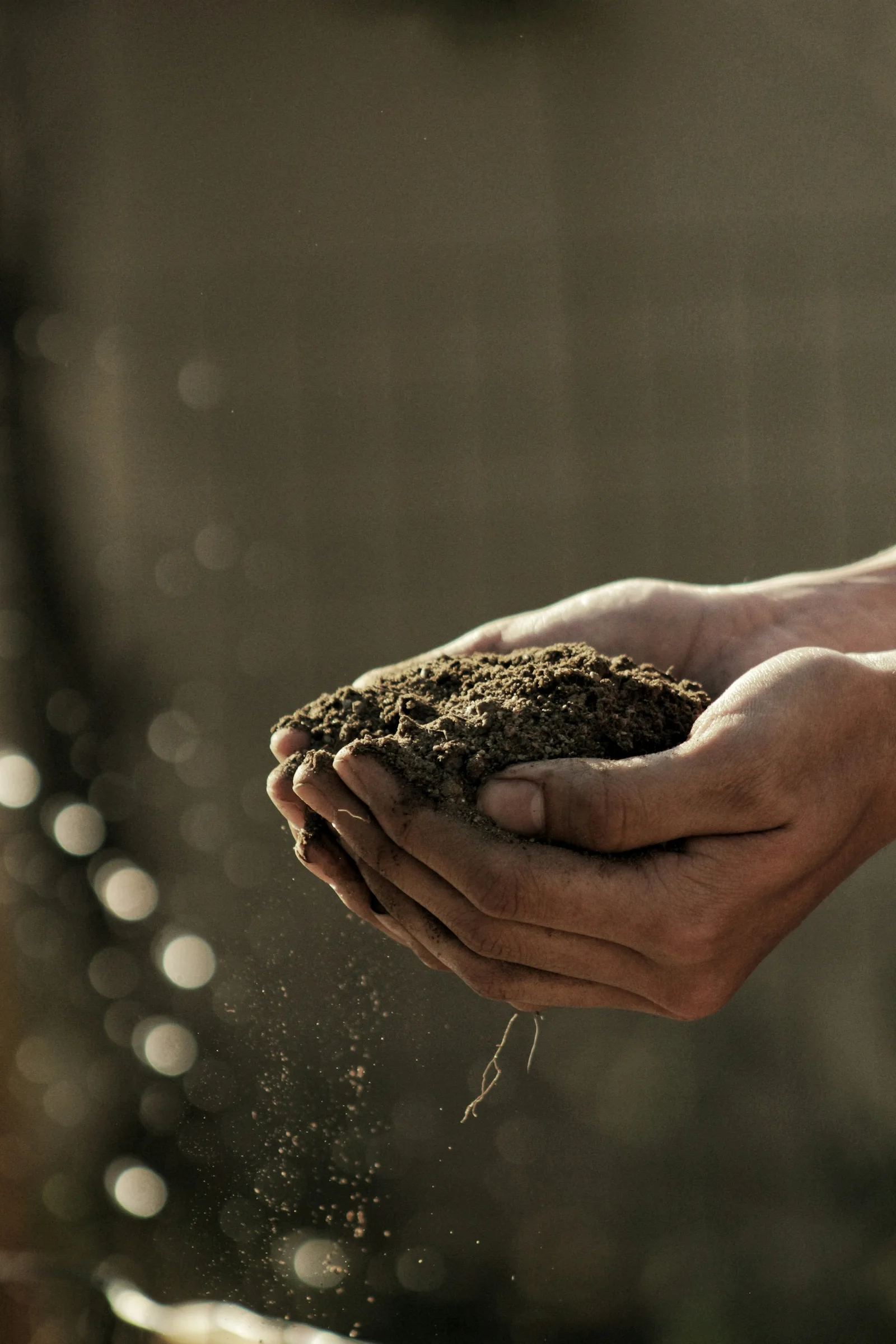
Soil is easy to overlook until something stops growing. Yet the ground beneath a garden is a habitat, a store of nutrients, and a place where water moves. Caring for it begins with noticing how it behaves rather than reaching immediately for another bag of fertilizer.
Look beyond the surface
Visit a bed after rain. Does water settle in a puddle or disappear evenly? Look at an undisturbed edge and compare it with a heavily walked path. Write down differences in texture, cover, and plant growth. These observations cannot replace a laboratory test, but they can help you ask better questions.
Protect the place where roots live
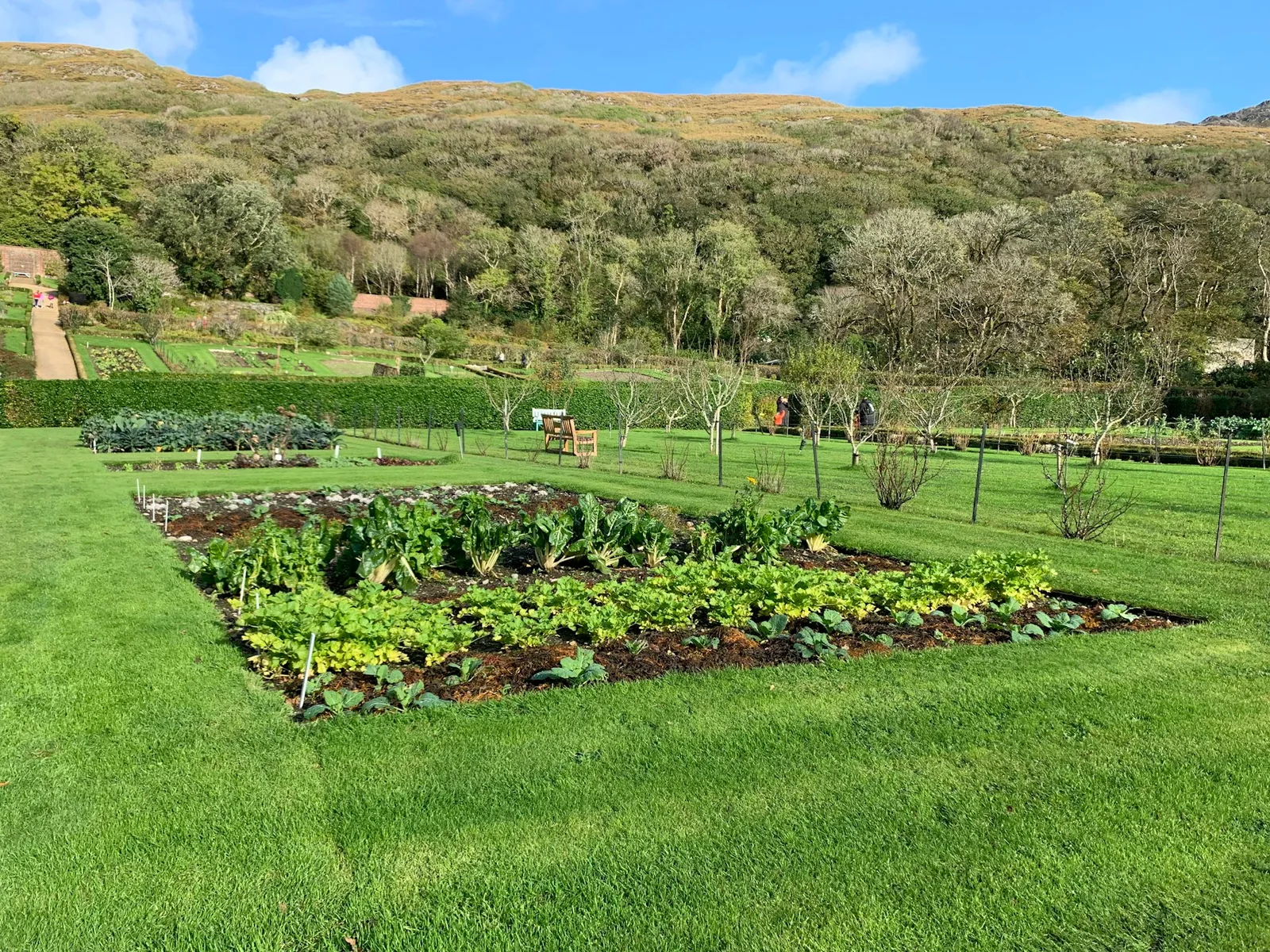
The USDA's soil-health framework emphasizes cover, living roots, biodiversity, and reduced disturbance. For a small garden, a useful first step is to establish clear paths so that growing areas are not constantly stepped on. Give an empty bed a plan instead of leaving it bare between crops.
Make improvement a season-long practice
Choose one manageable change and keep a record. You might protect a bed with an appropriate mulch, arrange a soil test, or adjust where people walk. Photograph the same location each month and note rainfall, watering, and what you planted. A garden journal is more useful when it records decisions as well as successes.
Healthy soil is not a product with a single finishing point. It asks for attention over time. A better starting question is: what can we do this season to help this particular ground support life?
A place to begin
- Choose one bed to observe regularly.
- Keep foot traffic on designated paths.
- Use a local soil test to guide amendments.
Further reading
Independent educational resources to deepen your understanding. References do not imply an affiliation or endorsement.