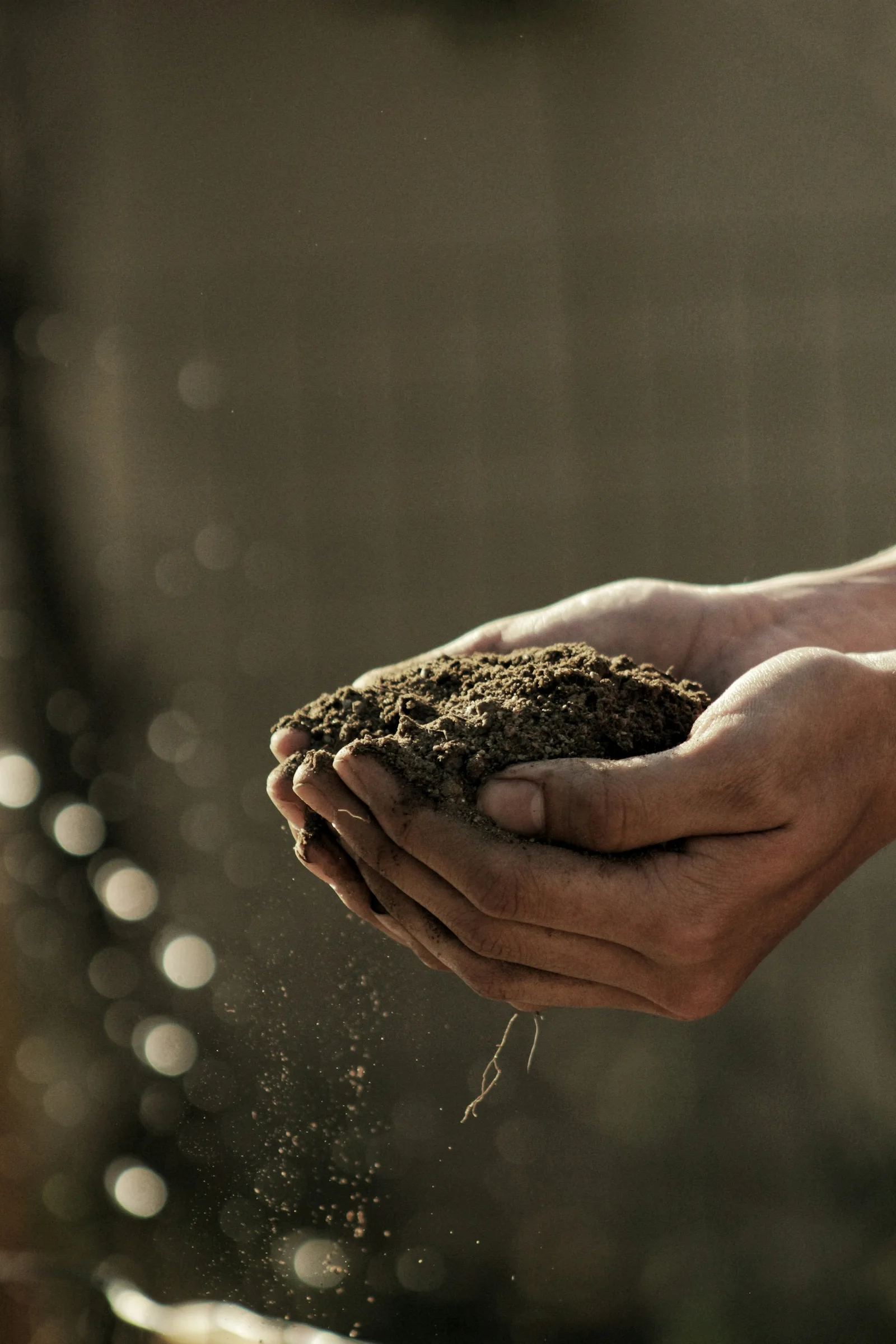
Start with the soilWhy healthy
Why healthy
soil matters
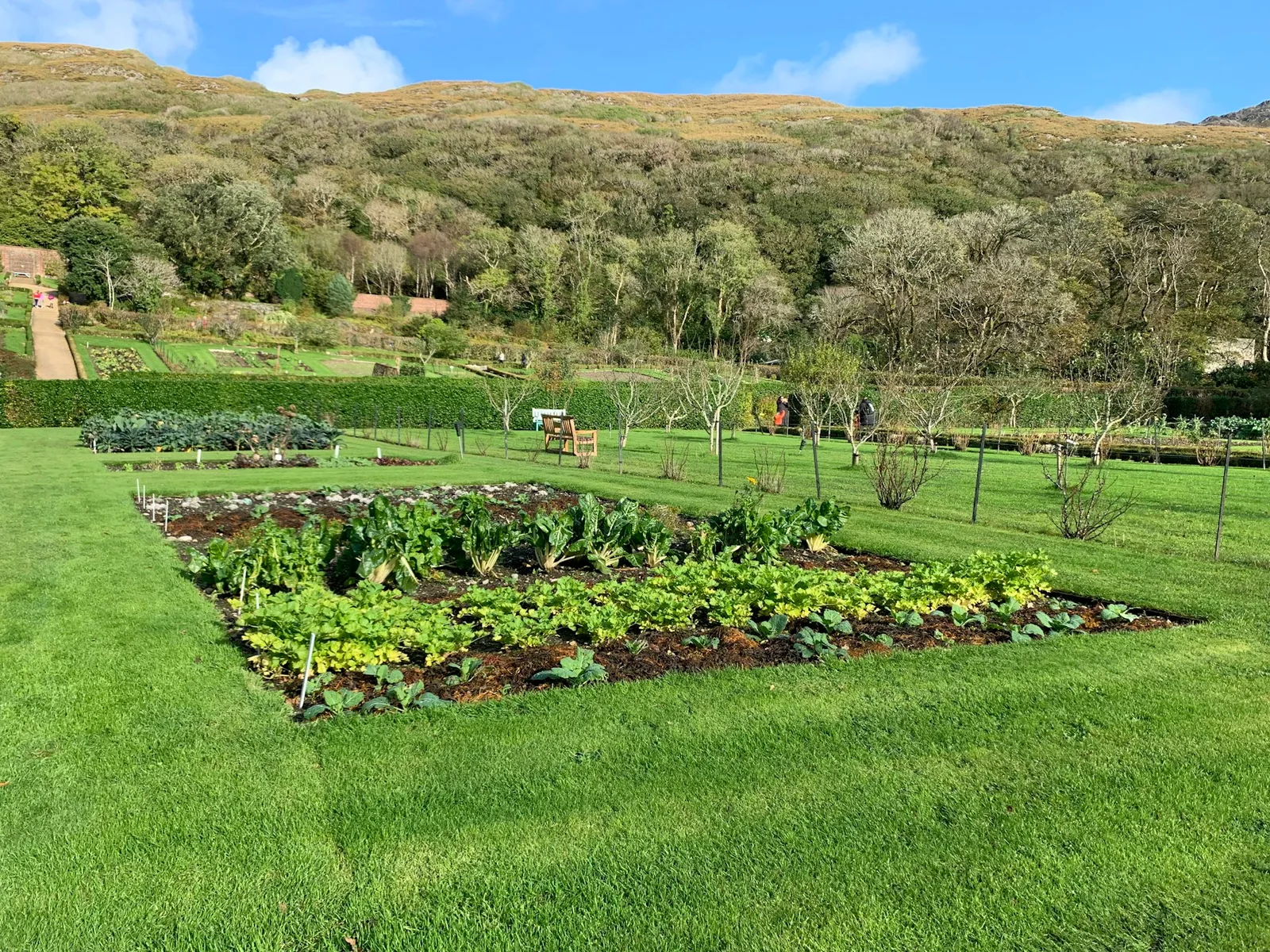
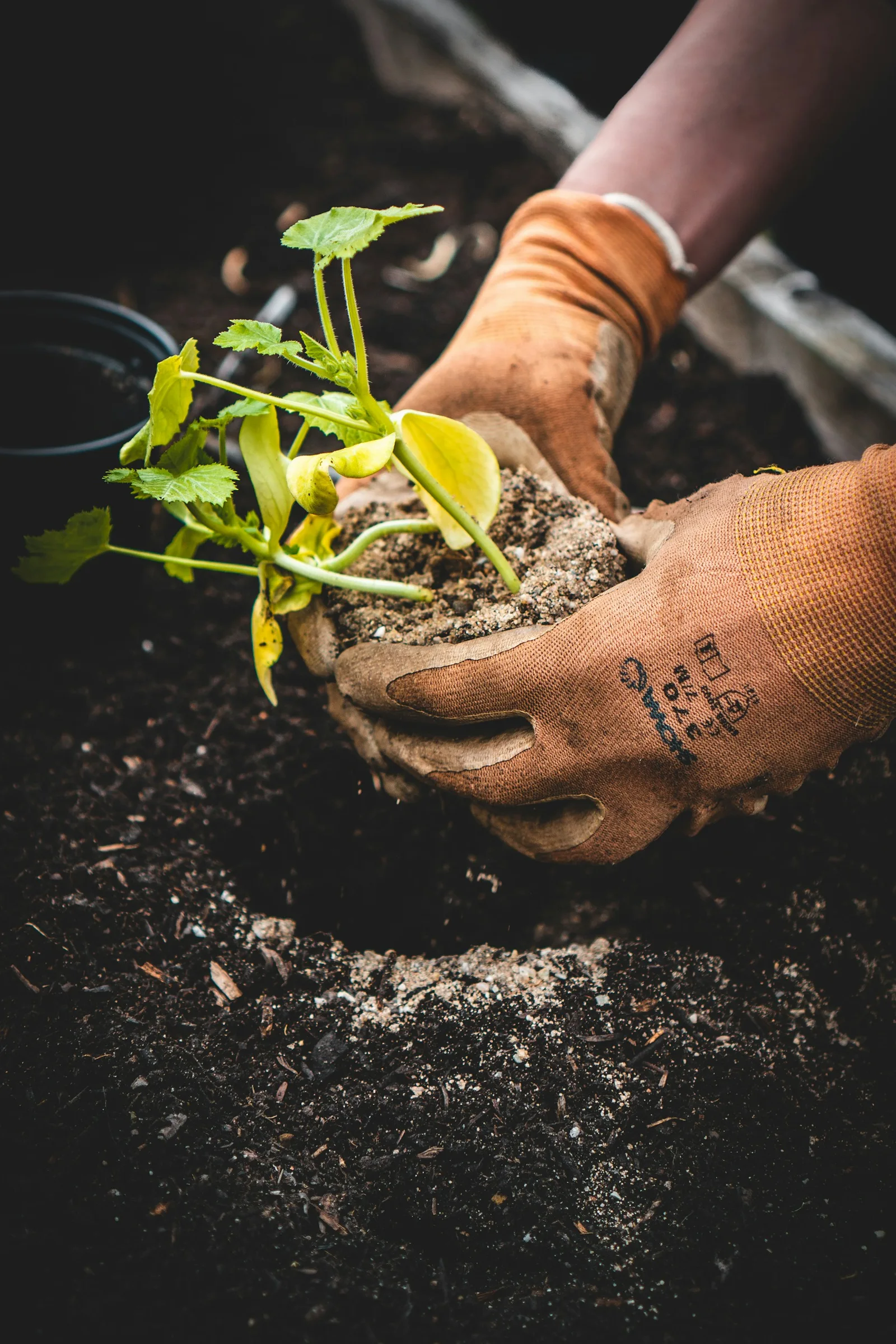
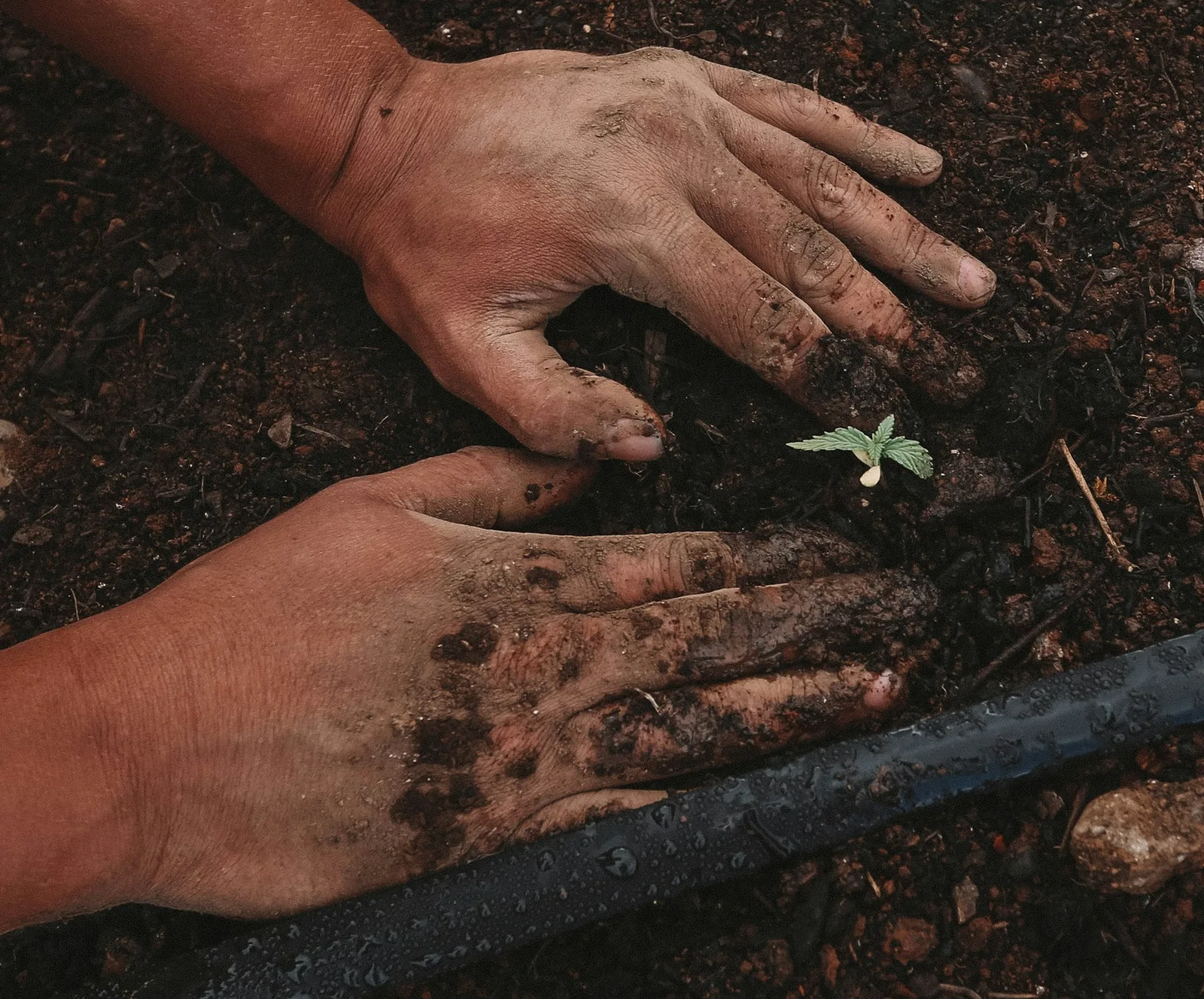
A closer look at the living ground beneath a productive garden. Discover a simple way to notice what your growing space needs.
Read the guide40 practical guides for growing, learning, and caring for the world around us. Explore a topic, follow your curiosity, and find a place to begin.
A closer look at the living ground beneath a productive garden. Discover a simple way to notice what your growing space needs.
Read the guideA closer look at the living ground beneath a productive garden.
Turn a recurring household task into a useful garden habit.
Think about the spaces between harvests as carefully as the crops themselves.
Build an observation habit before choosing what to plant.
Replace an automatic routine with observation and a simple plan.
Ask a clear question before adding amendments.
Explore cover crops as part of a garden plan, not an afterthought.
A simple walk can reveal how a growing space connects to its surroundings.
A modest first season can teach you more than an oversized plan.
Containers and a clear routine can make a compact growing area worthwhile.
Make the first stage of growing easier to observe and repeat.
Design access and maintenance before building the frame.
Use the calendar to connect what you plant with what you can actually eat.
Make watering a decision that responds to conditions.
Start with a suitable crop and good labels.
A small bed can be a place for careful decisions about land and resources.
Begin with people, a learning purpose, and a care plan.
Use one real observation to connect outdoor learning with other subjects.
A familiar ingredient can open a conversation about how plants grow.
A few consistent notes can make change visible over time.
Treat participation as a design question from the beginning.
Slow observation can make a familiar garden detail interesting again.
Plan how learners will decide, prepare, and reflect together.
Turn a school audit into a careful question and a practical next step.
Begin with what you already have before changing what you buy.
The best reusable item is one you remember and actually use.
A short assessment can reveal a useful next life for an everyday object.
Make practical room for food preferences, time, and budget.
A clear label is only useful when it matches the collection system.
Start by noticing a routine you can improve.
Find out what is available before choosing a bin or appliance.
Let meals, markets, and garden observations inform one another.
A shared growing space needs a shared understanding.
Clear preparation can make a short work session welcoming and productive.
A borrowing system can be simple without being unclear.
Clear labels make generosity more useful.
Start with a receiving system, clear rules, and named responsibility.
Choose a project with a method you can follow consistently.
A simple handover can protect months of work.
Good communication makes clear what happened and what remains to be learned.
Try a different word or explore another topic.

Be part of a future where people and nature thrive.