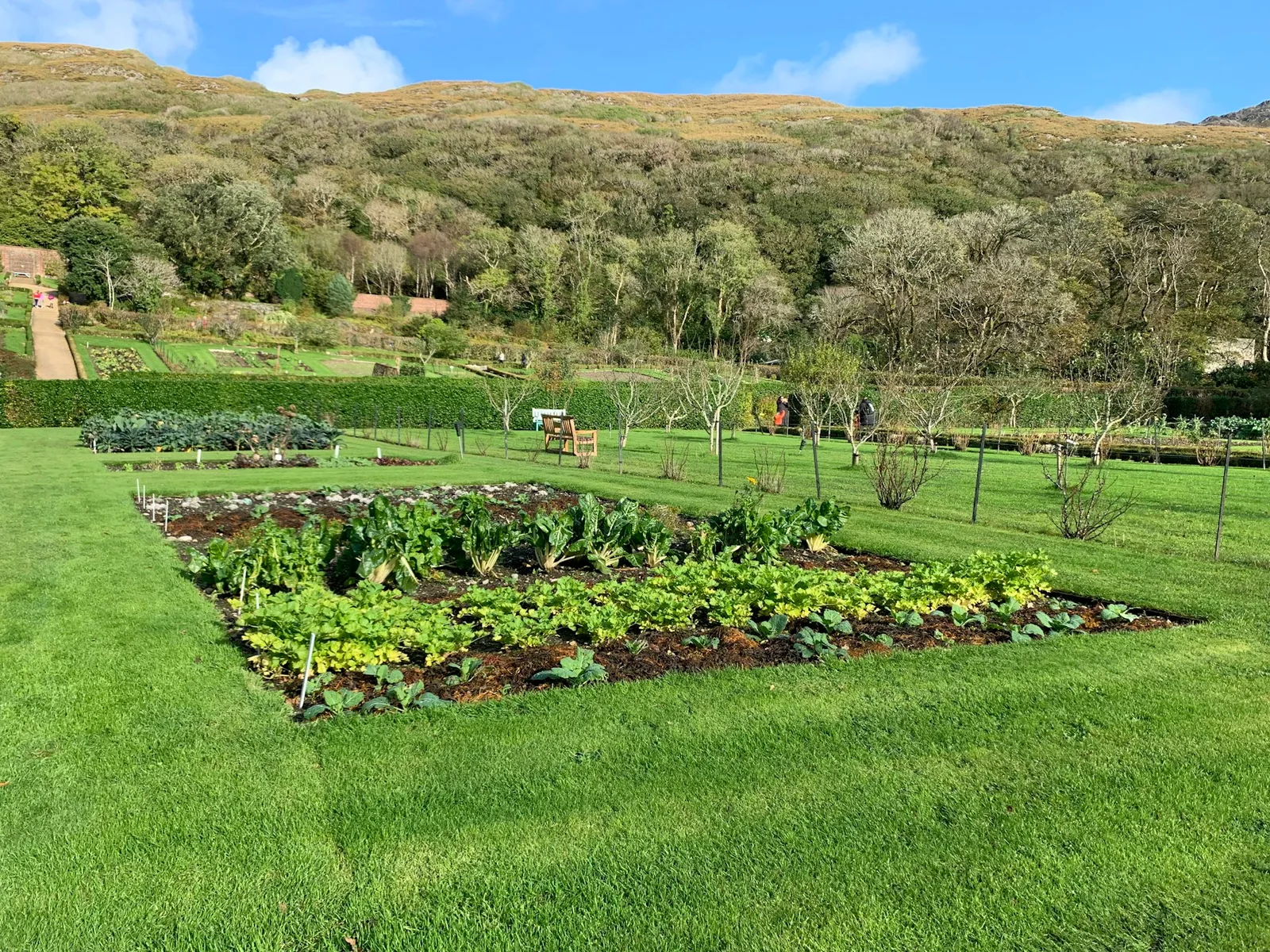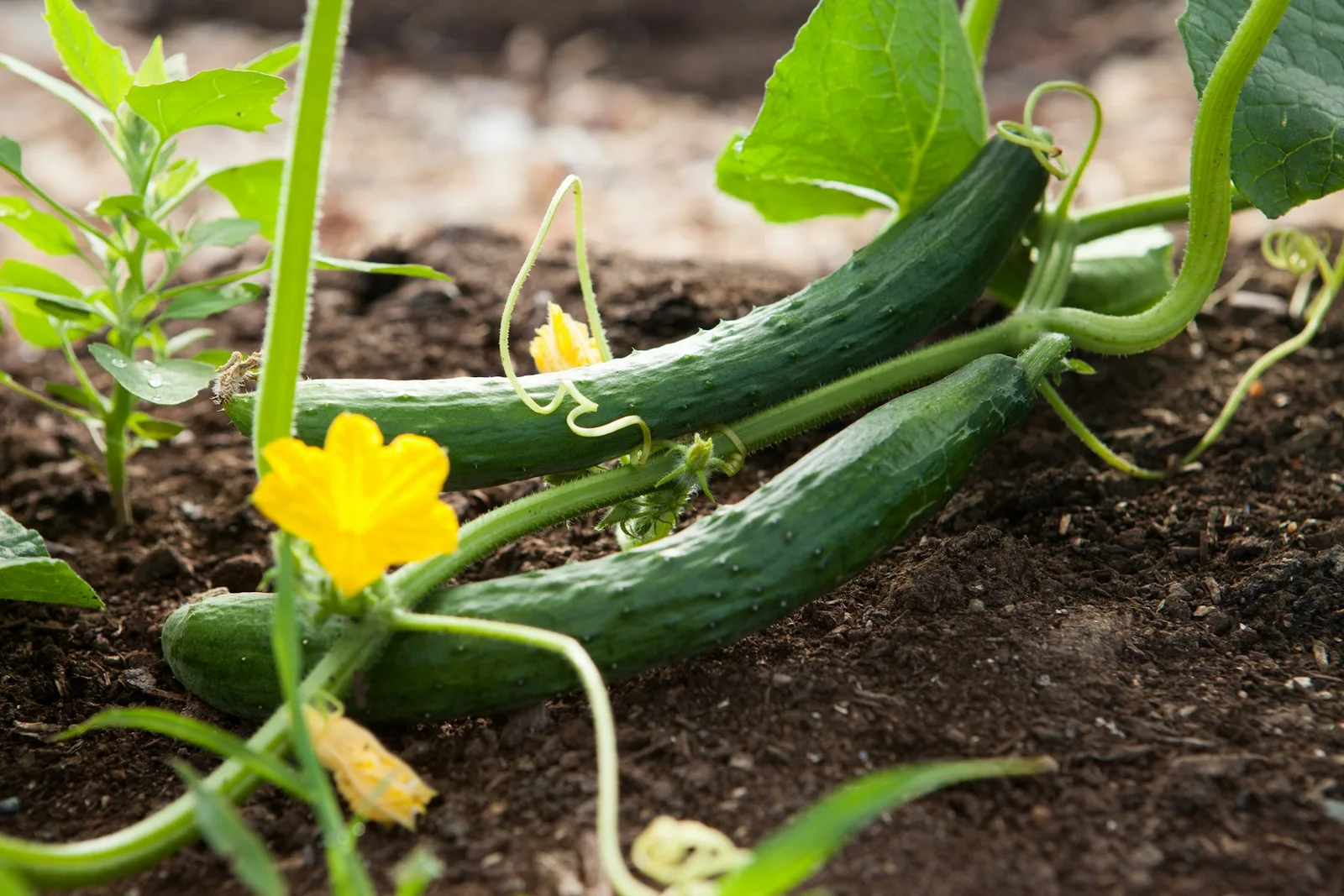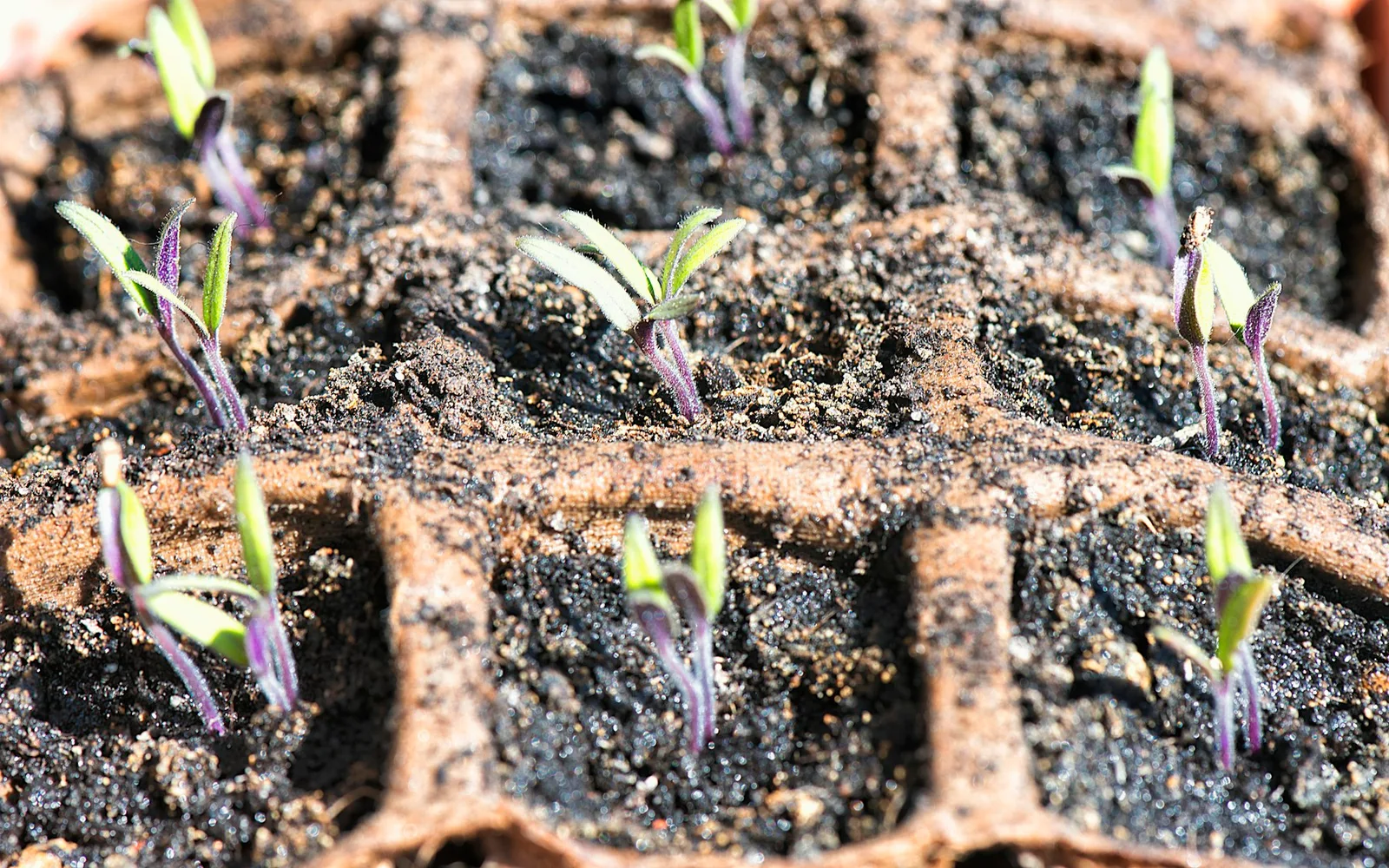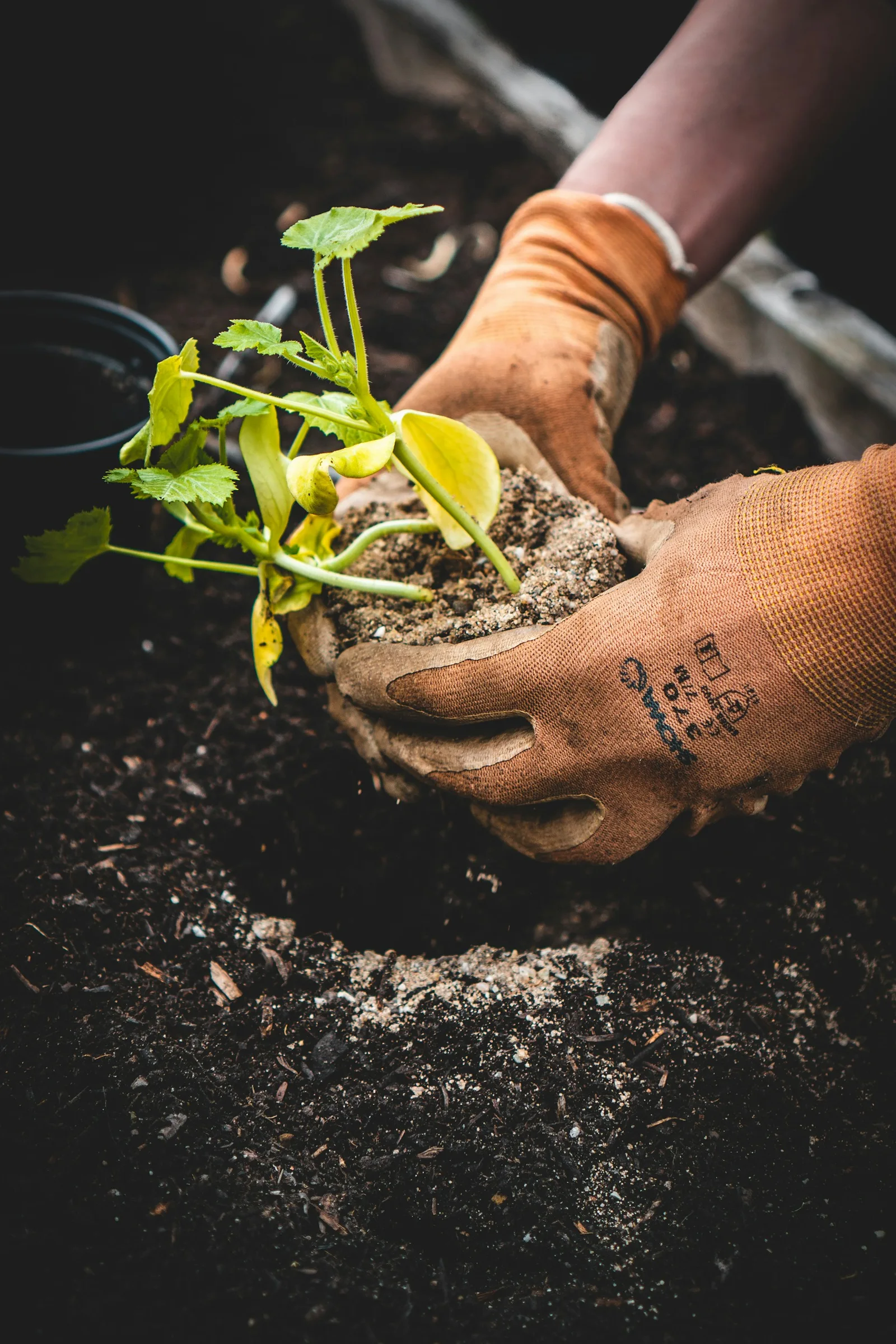
A watering routine should leave room for observation. Two beds in the same garden can differ in light, drainage, plant size, and growing medium. A schedule that suits one may not suit the other, especially as the season changes.
Look at the whole pattern
Check the root-zone moisture using a method appropriate to your site. Notice whether only one plant is wilting or an entire area is affected. Heat, root problems, and other issues can look similar at first, so avoid assuming that every symptom means more water is needed.
Make delivery intentional
Where appropriate, direct water to the growing area rather than repeatedly wetting paths or splashing soil onto foliage. Check connections and observe whether water is soaking in or running away. Use local advice to judge frequency and amount for the crop and growing medium.
Coordinate shared care
Write down who watered and which area was checked. In a community or school garden, a simple handover note can prevent both missed care and duplicated watering. Include a backup person for days when the usual gardener cannot visit.
Review the routine after rainfall, hot spells, and changes in plant size. Equipment can help, but it still needs inspection. The most useful habit is to look first and then act. A brief, consistent check gives watering a purpose and helps gardeners explain their decisions to one another.
A place to begin
- Check the growing area before watering.
- Inspect for runoff and leaking connections.
- Record care when several people share the job.
Further reading
Independent educational resources to deepen your understanding. References do not imply an affiliation or endorsement.