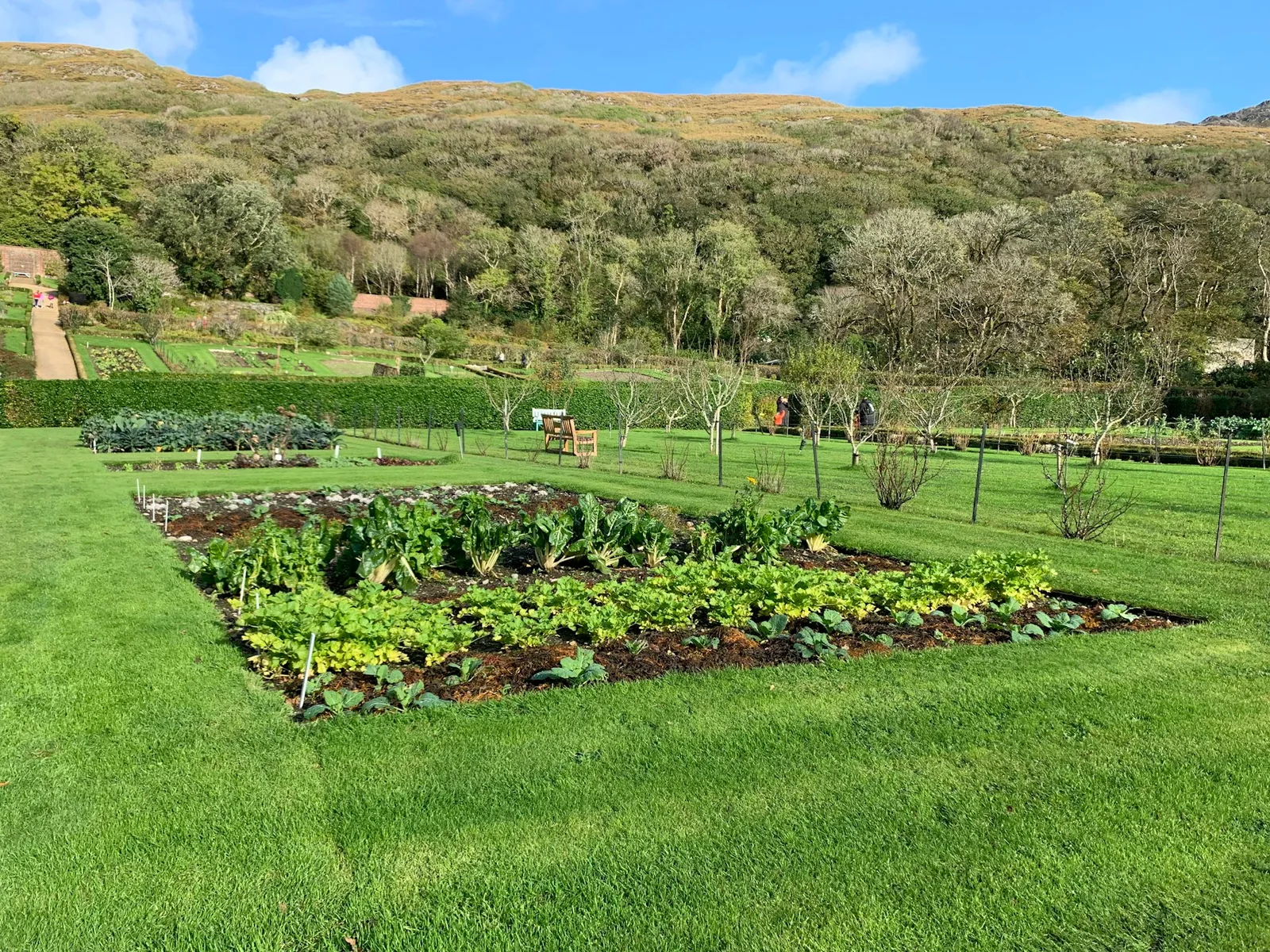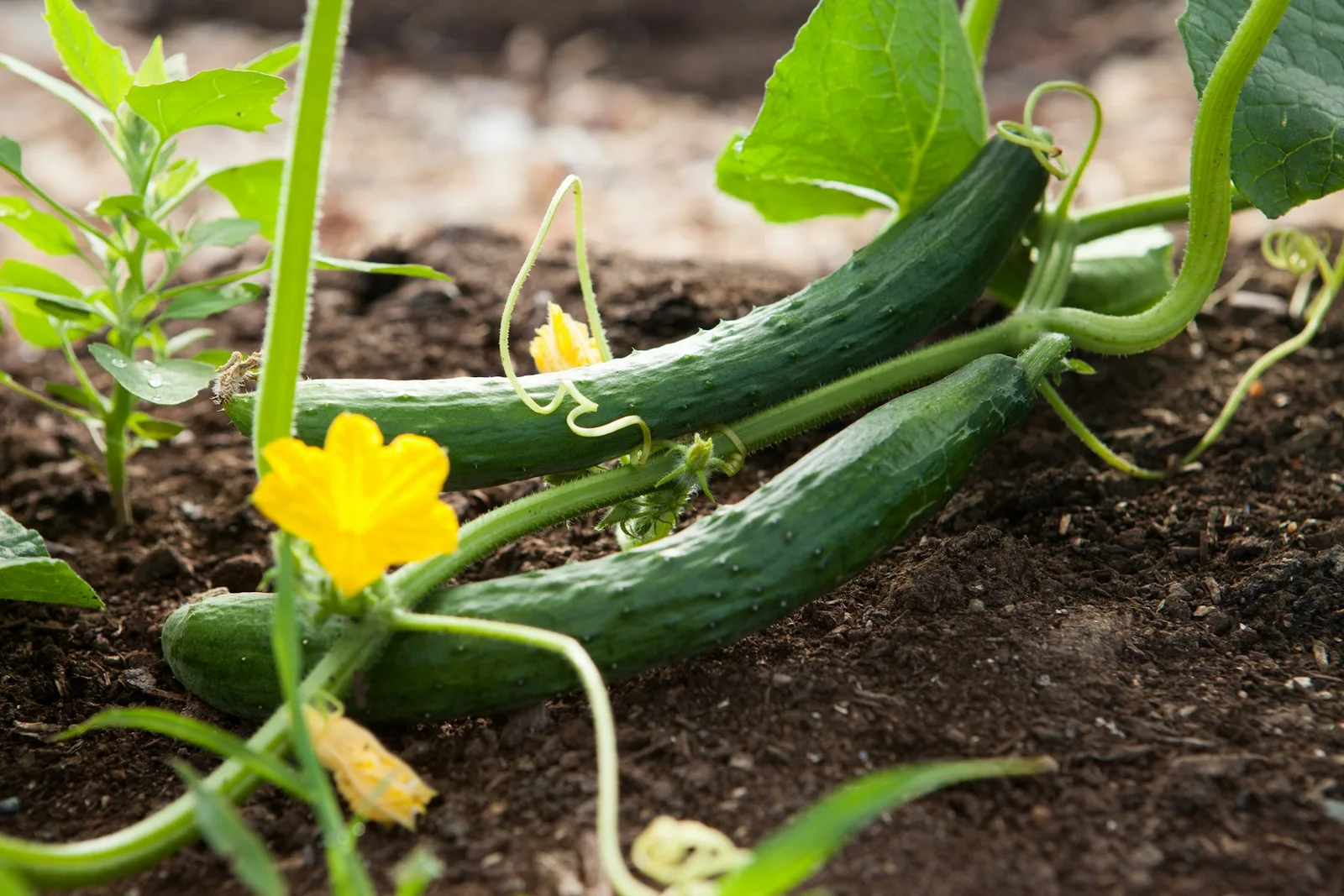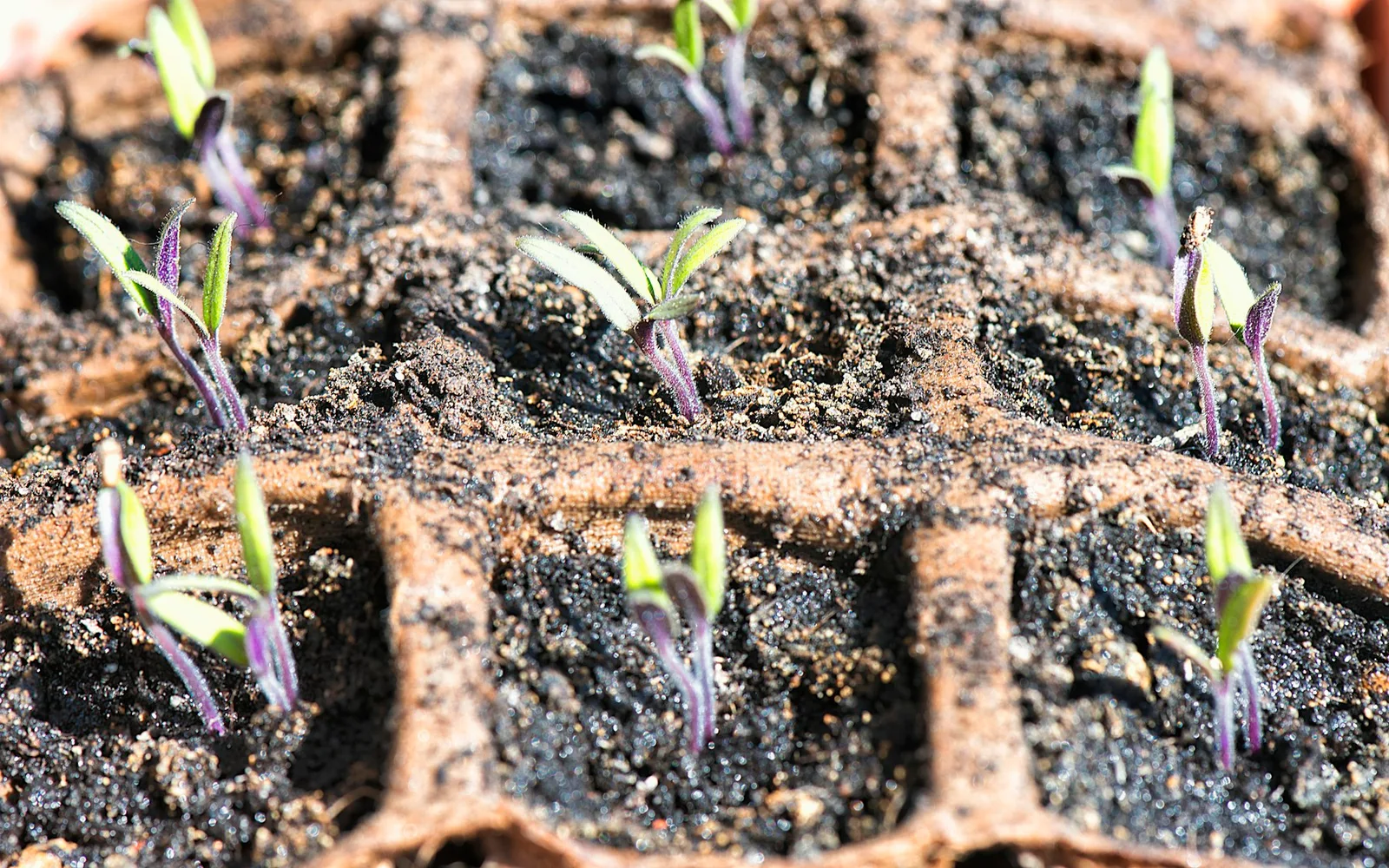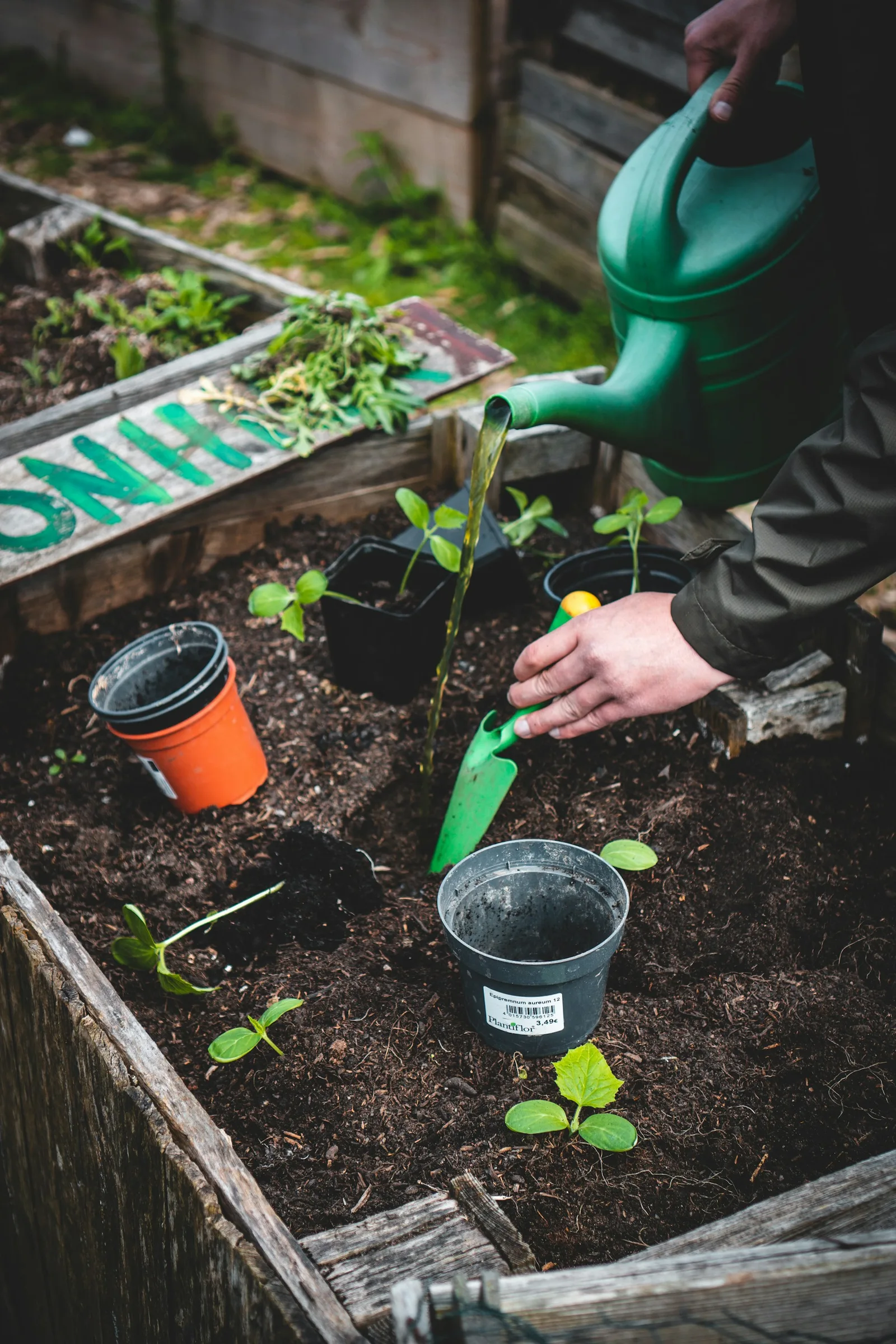
Small-scale growing makes daily decisions visible. You can see the space a crop occupies, the water it receives, and the care that carries it toward harvest. That closeness can turn a garden into a practical lesson about resources.
Begin with observation, not a promise
Ecology Action researches and teaches GROW BIOINTENSIVE, a small-scale food-growing approach. Learning about such methods can be valuable, but a new gardener should not assume that a named system guarantees a particular yield. Start with the site's conditions and local guidance.
Keep the resource record simple
Draw the bed and note planting, watering, materials added, and harvests. Choose units that your team understands and can repeat. A carefully kept record of a small area is more useful than ambitious measurements that stop after the first week.
Compare decisions thoughtfully
If you change a practice, record why and what happened. Weather, variety, and timing can affect the result, so a single season rarely proves one method superior. Describe observations honestly and separate them from guesses.
Make time for reflection alongside the work. What helped the bed stay manageable? What consumed unexpected effort? What would you change before expanding? A small garden can teach patience and resource awareness precisely because it is close enough to examine. Its value includes the knowledge people build while caring for it.
A place to begin
- Keep a map and a short resource log.
- Avoid guaranteed-yield assumptions.
- Use observations to plan the next season.
Further reading
Independent educational resources to deepen your understanding. References do not imply an affiliation or endorsement.